



What's Happening?
Despite numerous study abroad opportunities offered by USC across 130 cities in 50 countries, cultural immersion is not automatically guaranteed, according to student experiences. Crystal Kirui, a biochemistry sophomore who studied at Anglo-American University
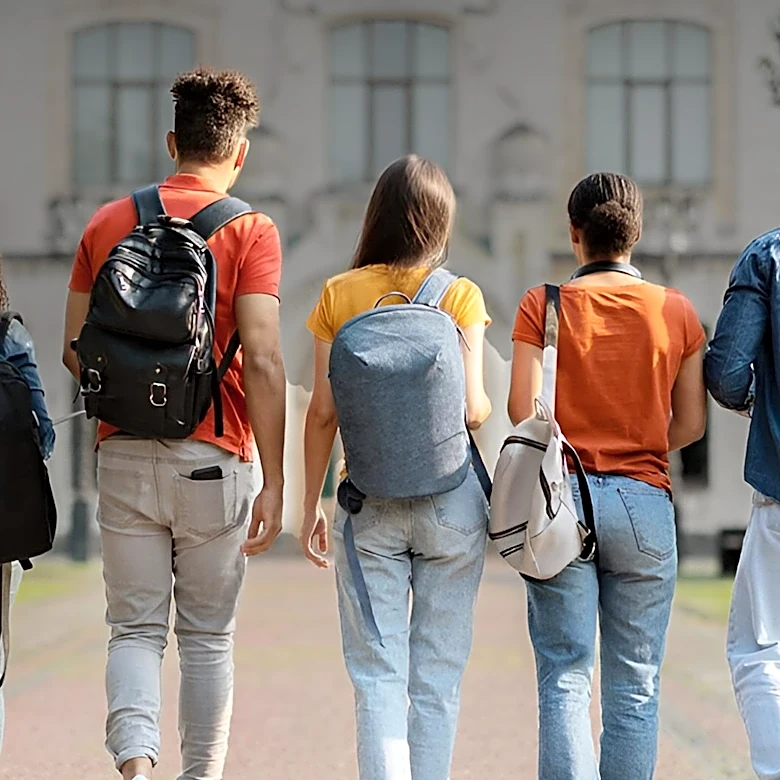
in Prague, noted that her immersion largely depended on her own proactive efforts, as USC provided minimal structured opportunities beyond courses and a brief tour. She engaged in activities like exploring the city, learning metro routes, and interacting with locals. Conversely, Sienna Hwang, a neuroscience sophomore who studied at the American University of Paris, experienced more structured events like guided day trips. However, both students observed that they often remained within a social 'bubble' of other American students, which could limit deeper cultural engagement. They emphasized that while being surrounded by fellow American students doesn't negate the experience, active effort is required to move beyond this bubble for true immersion.
Why It's Important?
This report highlights a critical challenge within U.S. higher education's study abroad programs: the distinction between being in a foreign country and truly immersing oneself in its culture. For American students, the expectation of cultural immersion is a significant draw for these programs, promising personal growth and a broader worldview. However, if programs fail to adequately facilitate this immersion, students may miss out on key educational benefits, potentially leading to a less transformative experience. This issue impacts the value proposition of study abroad, which often comes with substantial financial investment. Universities like USC may need to re-evaluate their program structures to ensure they actively encourage and support deeper cultural engagement, moving beyond mere logistical arrangements to foster genuine cross-cultural interaction and understanding.
What's Next?
The findings suggest that U.S. universities, including USC, may need to enhance their study abroad programs to ensure more robust cultural immersion opportunities. This could involve implementing more structured activities that encourage interaction with local communities, such as volunteer work, homestays, or local language exchange partners. Program organizers might also need to address the 'American bubble' phenomenon by actively promoting integration strategies and providing resources for students to connect with host country nationals. Future program designs could incorporate pre-departure orientations focused on proactive immersion techniques and post-return debriefings to assess the effectiveness of cultural engagement. The feedback from students like Kirui and Hwang could serve as valuable input for refining these programs to better meet the goal of genuine cultural immersion.
Beyond the Headlines
The challenge of cultural immersion in study abroad programs touches upon broader issues of globalization and identity. While international travel is increasingly accessible, the depth of engagement with foreign cultures remains a complex matter. The 'American bubble' observed by students reflects a common human tendency to seek comfort in familiarity, even in new environments. This highlights the psychological and social barriers to true immersion, which go beyond logistical support. For U.S. students, a lack of deep cultural immersion could mean missing opportunities to develop critical global competencies, such as intercultural communication skills and adaptability, which are increasingly vital in a interconnected world. Addressing this requires not just programmatic changes but also a shift in student mindset, encouraging a proactive and open approach to engaging with the unfamiliar.