






What's Happening?
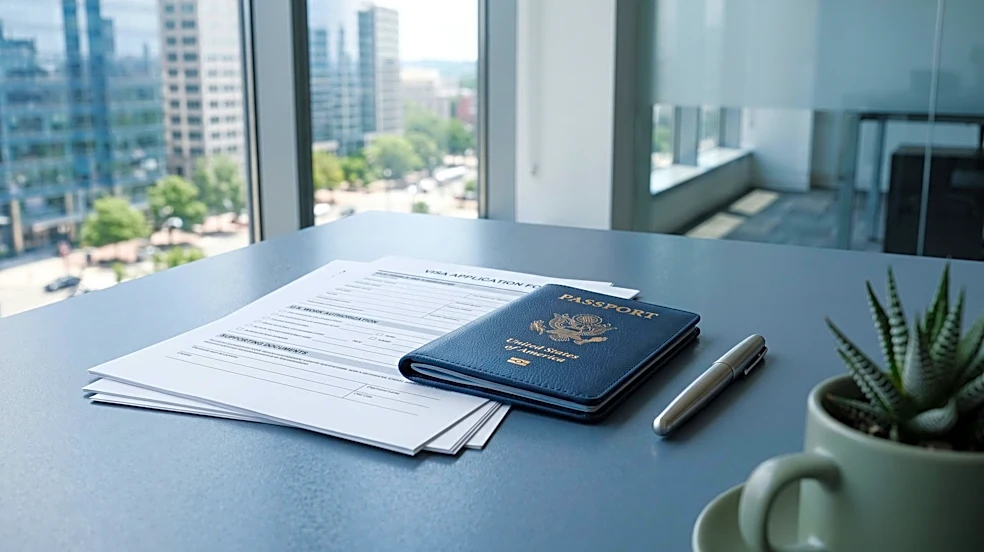
The B-2 Visitor Visa is a non-immigrant visa designed for foreign nationals seeking temporary entry into the United States for personal or tourist reasons, without the intention of working. This visa category is commonly used for activities such as tourism,
vacations, visiting family or friends, receiving certain medical treatments, or attending social events. To qualify, applicants must demonstrate that their trip is temporary, has a legitimate purpose, and that they possess sufficient financial resources for their stay. Furthermore, applicants must prove they maintain a residence and strong ties outside the U.S., indicating their intent to depart the country at the end of their authorized visit. The B-2 visa is often issued in combination with the B-1 (business) visa as a B-1/B-2 visa.
Why It's Important?
The B-2 Visitor Visa is a critical component of U.S. immigration policy, facilitating temporary travel for millions of individuals annually. Its importance lies in enabling cultural exchange, family reunification, and supporting the U.S. tourism industry, which significantly contributes to the national economy. For individuals, it provides a legal pathway to experience the U.S. for personal reasons. For the U.S. government, it allows for controlled entry while ensuring that visitors do not overstay or engage in unauthorized activities like employment. The strict requirements, such as demonstrating financial capacity and ties to one's home country, are designed to prevent illegal immigration and protect the U.S. labor market. Understanding the nuances of this visa is essential for both prospective visitors and immigration authorities to ensure compliance and smooth travel experiences.
What's Next?
Prospective B-2 visa applicants must complete Form DS-160, pay the consular fee, prepare all required documentation, and attend a consular interview if necessary. It is crucial for applicants to understand the distinction between visa validity and the authorized length of stay, as determined by U.S. Customs and Border Protection (CBP) upon entry. The date on Form I-94, not the visa's expiration date, dictates the maximum period a visitor can remain in the U.S. Overstaying this period can lead to severe consequences for future visa or entry applications. Even with a valid B-2 visa, admission to the U.S. is not guaranteed, as CBP officers make the final determination at the port of entry, verifying the purpose and duration of the trip. Therefore, adherence to all conditions and accurate representation of travel intent are paramount.
Beyond the Headlines
Beyond its immediate function, the B-2 visa reflects the U.S.'s approach to balancing national security with its desire to remain an open and welcoming destination. The rigorous application process and the discretion of CBP officers at entry points highlight the ongoing tension between facilitating legitimate travel and preventing potential misuse of visa categories. The emphasis on 'ties outside the United States' speaks to a broader immigration philosophy that prioritizes temporary visits over permanent settlement for non-immigrant visa holders. This policy also indirectly influences international relations, as the ease or difficulty of obtaining a B-2 visa can impact perceptions of the U.S. abroad and affect tourism flows. The continuous evolution of visa policies and enforcement mechanisms underscores the dynamic nature of global mobility and national sovereignty.