

What's Happening?
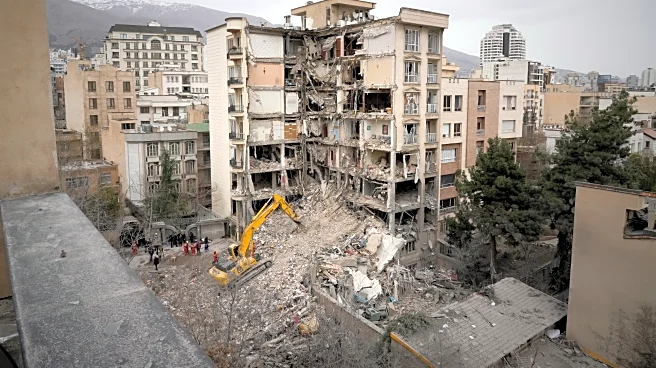
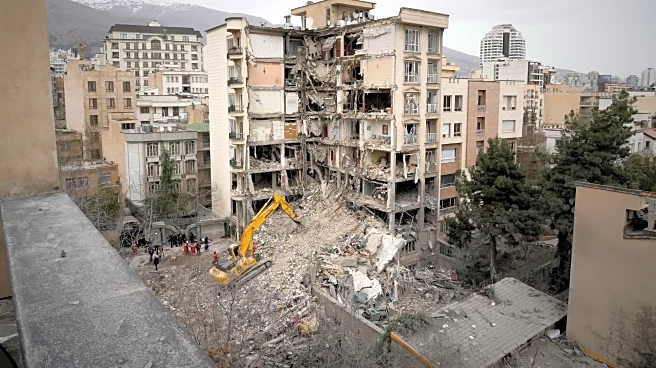
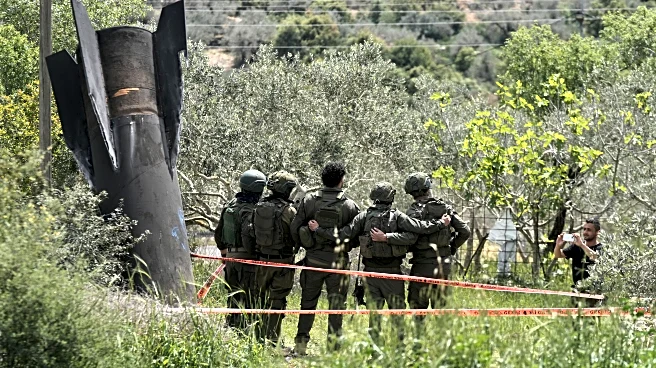
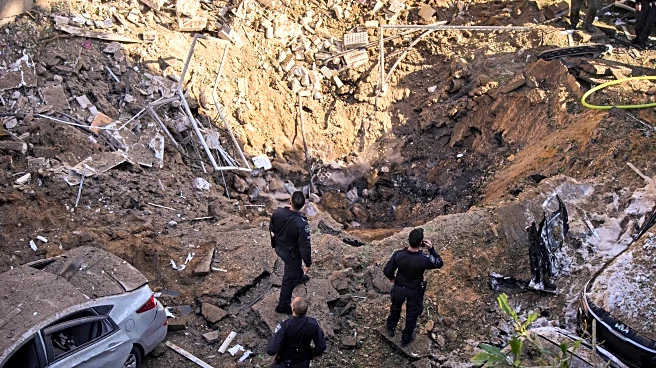
Pakistan is actively mediating between the United States and Iran to de-escalate ongoing tensions in the Gulf region. This diplomatic effort comes as the conflict, which began with U.S. and Israeli strikes, has resulted in significant casualties and displacement.
President Trump has acknowledged productive conversations with Iran, marking a shift from his previous ultimatum regarding the Strait of Hormuz. Pakistan, along with Turkey and Egypt, is facilitating these discussions, with potential in-person meetings in Islamabad. Pakistani Prime Minister Shehbaz Sharif has communicated with Iranian President Masoud Pezeshkian, emphasizing the need for dialogue and diplomacy.
Why It's Important?
The mediation by Pakistan is crucial as it seeks to stabilize a region critical for global oil supply, particularly affecting Asian economies reliant on Gulf oil. The diplomatic efforts could prevent further escalation, which would have severe economic and geopolitical consequences. For the U.S., successful negotiations could provide a diplomatic victory and reduce military tensions. Pakistan's role enhances its diplomatic standing, potentially leading to stronger ties with both the U.S. and Iran. However, the situation remains fluid, with potential impacts on global oil markets and regional stability.
What's Next?
If successful, the mediation could lead to a de-escalation of military tensions and a reopening of the Strait of Hormuz, crucial for global oil transport. The U.S. and Iran may continue negotiations, potentially leading to a broader agreement. Pakistan's involvement could strengthen its diplomatic influence in the region. However, the outcome remains uncertain, with potential for both diplomatic resolution and further conflict.