




What's Happening?
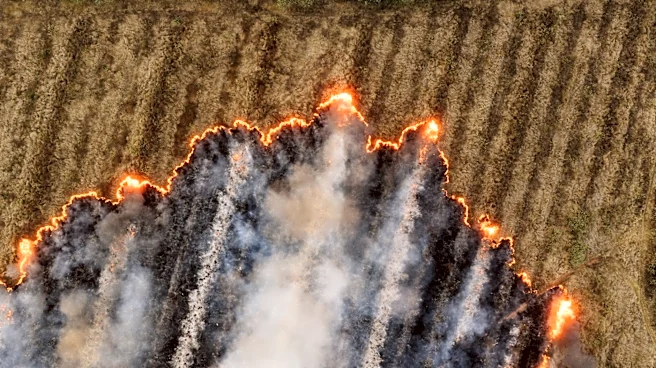
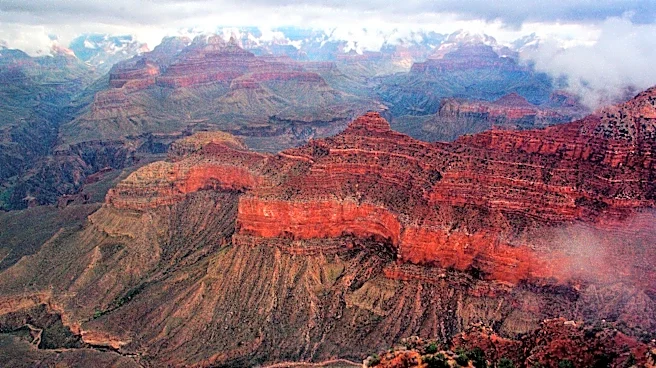
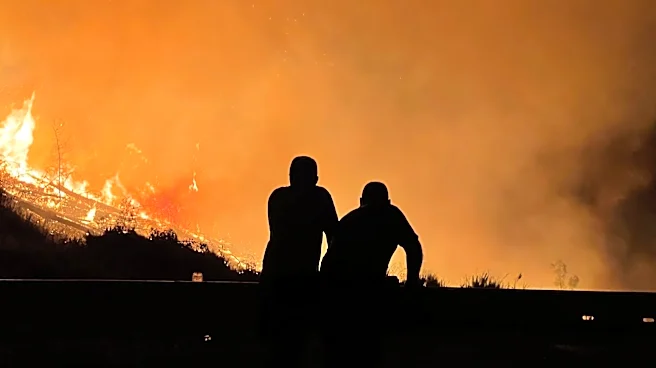
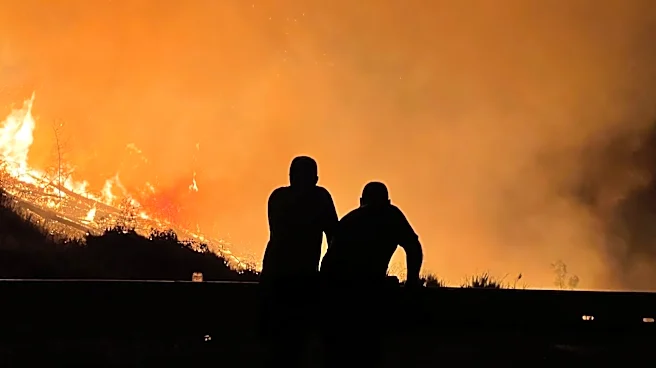
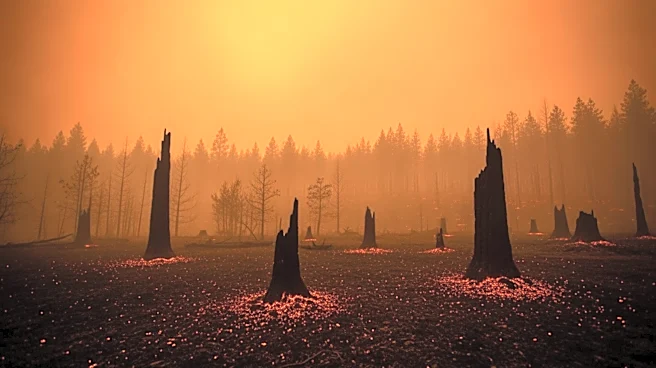
A wildfire near Sedona, Arizona, has burned approximately 300 acres of steep and rugged terrain near Oak Creek Canyon. As of Sunday afternoon, the fire remains uncontained, and residents who were evacuated earlier have not been allowed to return home.
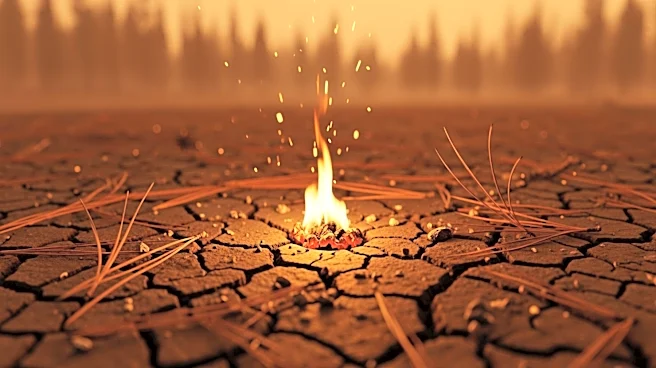
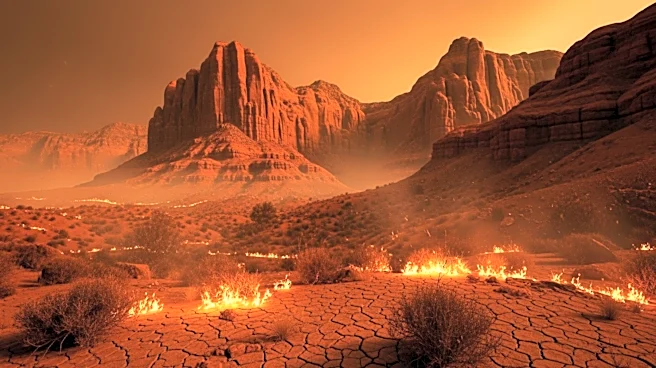
The blaze is part of a larger pattern of wildfires across the Western United States, driven by extreme heat, wind, and drought conditions. In addition to the fire near Sedona, several other wildfires are burning in Utah, including the Iron fire in Juab County, which has scorched 34 square miles and forced evacuations. The U.S. Drought Monitor reports that much of Utah, as well as parts of Arizona and Colorado, are experiencing severe drought. Meteorologists warn that above-average temperatures and low humidity are elevating fire danger across the region.
Why It's Important?
The wildfires in the Western U.S. highlight the increasing vulnerability of the region to extreme weather conditions, exacerbated by climate change. The combination of high temperatures, drought, and strong winds creates a perfect storm for wildfires, threatening communities, wildlife, and natural resources. The ongoing fires strain firefighting resources and pose significant risks to public safety and property. The situation underscores the need for effective fire management strategies and climate adaptation measures to mitigate the impact of such natural disasters. The economic implications are also significant, as wildfires can disrupt tourism, agriculture, and other industries vital to the region's economy.
What's Next?
Firefighting efforts are expected to continue as crews work to contain the blazes and protect communities at risk. Authorities are likely to issue further evacuation orders if conditions worsen. Meteorologists predict that the extreme weather will persist, potentially leading to more fires. Local governments and emergency services will need to coordinate closely to manage the situation and ensure public safety. In the longer term, policymakers may need to consider additional measures to address the root causes of increased wildfire activity, including climate change and land management practices.