




What's Happening?
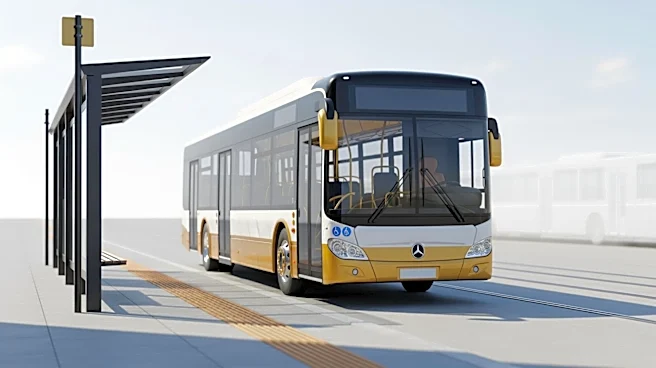
The Washington Metropolitan Area Transit Authority (Metro) has decided against constructing a new Metrorail station at the future site of the Commanders' stadium at RFK Stadium. Instead, Metro has proposed the development of a rapid bus line, named the Gold
Line, which would connect to existing Metrorail and bus services at Union Station. This decision comes after Metro's analysis of potential station locations, including Oklahoma Avenue and Benning Road NE. The agency highlighted that building a new rail station would cost approximately $1 billion and would not be completed by the stadium's expected opening in 2030. Metro also suggested significant upgrades to the Stadium-Armory Metro station to manage event crowds, warning that without these improvements, it could take over two hours to clear attendees after events.
Why It's Important?
The decision to opt for a bus line over a new rail station is significant for several reasons. Financially, it represents a cost-saving measure, avoiding the $1 billion expense of a new station. This choice also reflects a strategic shift towards enhancing existing infrastructure rather than expanding it. The Gold Line bus service is expected to provide a flexible and efficient transportation solution, potentially easing traffic congestion and parking concerns voiced by local residents. With over half of the stadium's event attendees projected to use public transportation, the success of this plan is crucial for managing large crowds and ensuring smooth transit operations. The decision underscores the importance of cost-effective and timely solutions in urban transit planning.
What's Next?
Metro's proposal will likely lead to further discussions and planning regarding the implementation of the Gold Line bus service. Stakeholders, including local government officials, community members, and the Commanders' management, will need to collaborate to address logistical challenges and ensure the bus line meets the needs of event-goers. Additionally, Metro's recommendation for upgrades to the Stadium-Armory station will require funding and planning to enhance its capacity and efficiency. As the stadium's opening approaches, these transportation solutions will be critical in shaping the overall experience for visitors and residents alike.