





What's Happening?
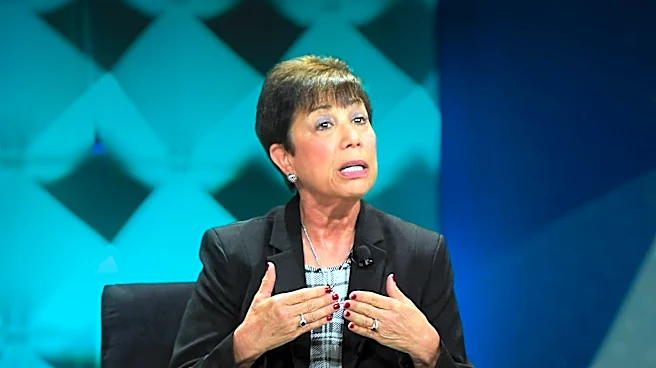
The Reason Roundtable, featuring editors Peter Suderman, Katherine Mangu-Ward, Matt Welch, and reporter Reem Ibrahim, recently discussed the financial viability of Medicare for All and the broader agenda of the Democratic Socialists of America (DSA).
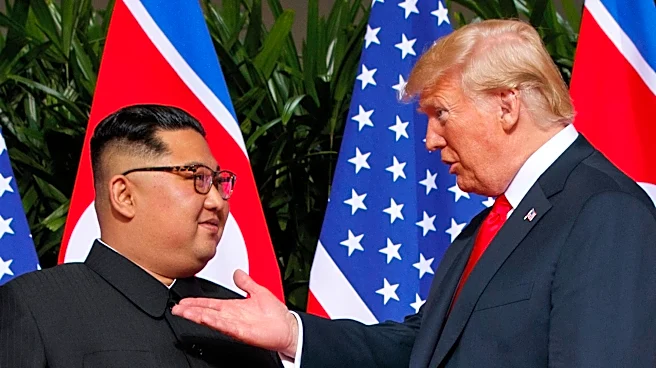
The discussion centered on the enormous cost associated with expanding government-run healthcare and whether taxing billionaires would be sufficient to cover such an expense. The panel also examined the experiences of countries like the United Kingdom and Switzerland with universal healthcare, highlighting the trade-offs involved. Additionally, the roundtable addressed the DSA's growing influence within the Democratic Party, the pushback from Democrats wary of socialism, and the U.S.'s growing deficits and looming fiscal crisis. Other topics included President Trump's decision to cancel joint military exercises in South Korea and the concept of free-range parenting.
Why It's Important?
The debate over Medicare for All and the DSA's agenda is a critical discussion for the U.S., impacting national healthcare policy, economic stability, and political direction. The potential cost of expanding government-run healthcare, estimated to be in the trillions, raises significant questions about taxation, national debt, and resource allocation. This directly affects U.S. industries, taxpayers, and the overall economy. The growing influence of the DSA within the Democratic Party signals a potential shift in the party's platform towards more socialist policies, which could lead to substantial changes in social programs, economic regulations, and government spending. The discussion also underscores the ongoing challenge of addressing the nation's fiscal health and the differing approaches proposed by various political factions, making it a central issue in upcoming elections and policy debates.
What's Next?
The ongoing debate surrounding Medicare for All and the DSA's agenda is expected to intensify as the U.S. approaches future election cycles. Political leaders and candidates will likely continue to present their stances on these issues, influencing public opinion and policy proposals. The discussion about the nation's growing deficits and fiscal crisis will remain a key concern, potentially leading to legislative efforts to address government spending and revenue. The experiences of other countries with universal healthcare systems will continue to be cited as evidence for or against such policies in the U.S. The influence of the DSA within the Democratic Party will be closely watched, as it could shape the party's long-term platform and electoral strategies.
Beyond the Headlines
The discussion on Medicare for All and the DSA agenda extends beyond immediate policy implications, touching upon fundamental questions about the role of government, individual liberty, and economic justice in the U.S. The debate reflects a deeper ideological divide within American society regarding the balance between collective welfare and individual responsibility. Ethically, it raises questions about access to healthcare as a human right versus a commodity, and the moral obligations of a society to its most vulnerable members. Economically, it challenges traditional capitalist frameworks by proposing significant government intervention and wealth redistribution. The comparison with other nations' healthcare systems also prompts a re-evaluation of American exceptionalism and the potential for adopting alternative social models, signaling a long-term shift in how Americans perceive their social contract and economic future.