



What's Happening?
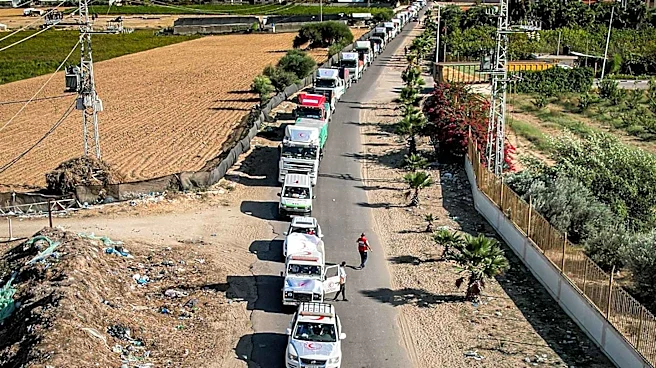
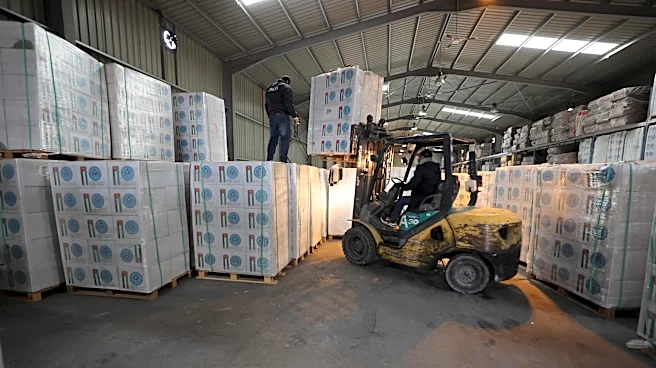
The European Union (EU) has expressed grave concern over the persistent and devastating humanitarian crisis in Gaza, urging Israel to allow immediate, unimpeded access and sustained distribution of humanitarian assistance. The EU also called for the reopening
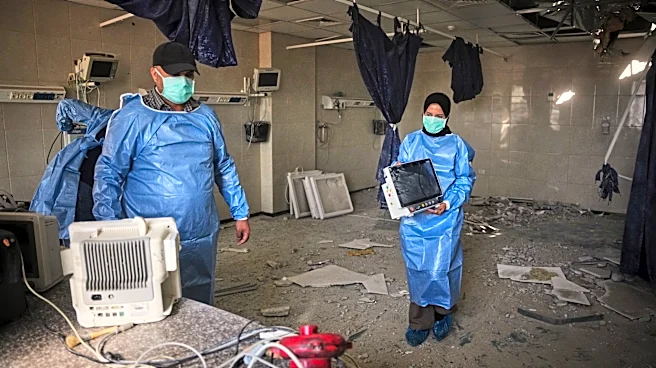
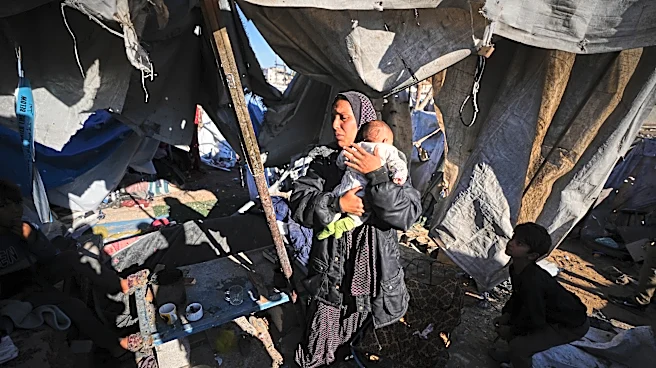
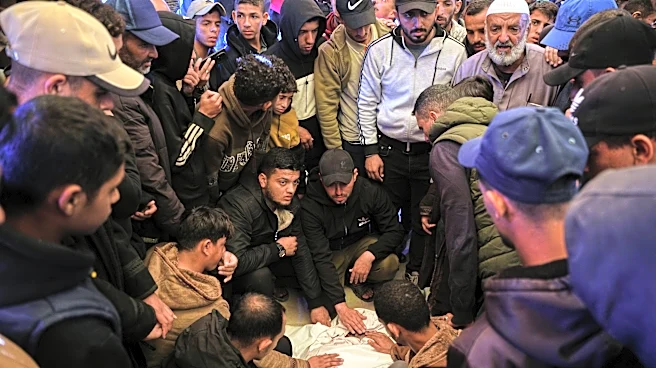
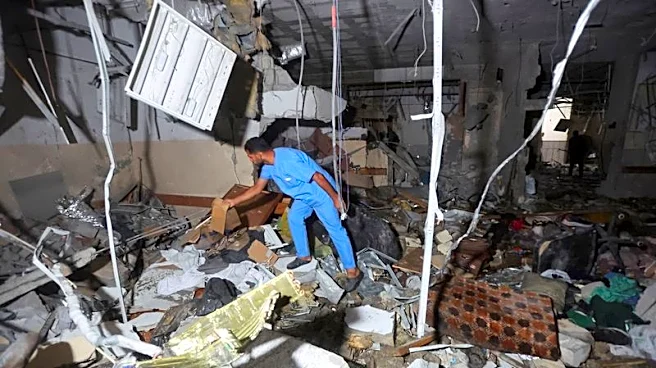
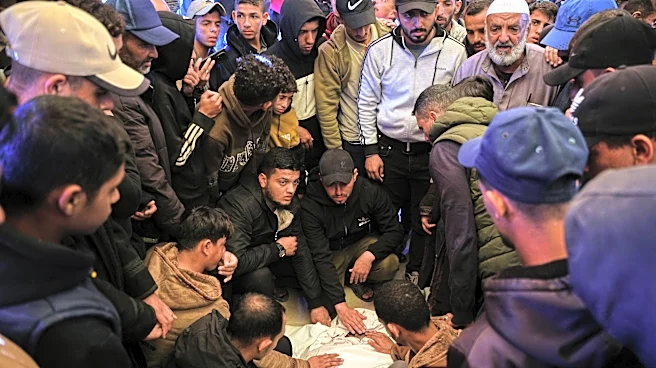
of all Gaza border crossings to facilitate aid and early recovery support. This plea comes as severe flooding and winter conditions are further exacerbating the living conditions of the population, leading to increased human suffering and unsafe conditions. The EU emphasized that Israel must enable the work of the UN and its agencies, as well as humanitarian organizations, and comply with all its obligations under international law, including international humanitarian law and international human rights law. The statement also condemned a recent airstrike on Nasser Hospital, highlighting the need to protect civilians, civilian infrastructure, medical personnel, and facilities. The EU reiterated that aid should be used solely for peaceful purposes and not diverted by armed groups.
Why It's Important?
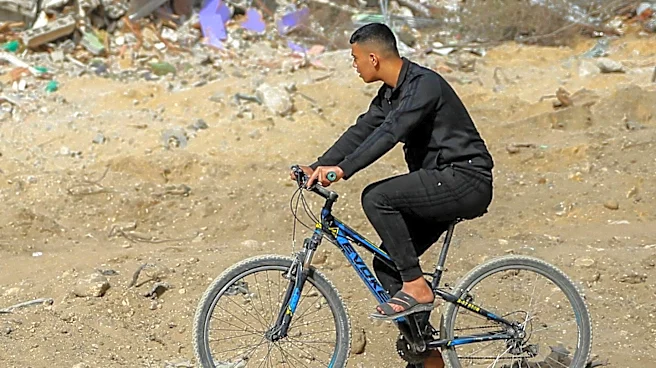
The EU's urgent call underscores the critical humanitarian situation in Gaza, which has significant implications for international relations and human rights. The continued restrictions on humanitarian access and the ongoing military strikes are creating an unsustainable environment for civilians, leading to shortages of essential items like shelter, medicine, and medical equipment. This situation not only causes immense human suffering but also challenges the principles of international humanitarian law, which mandates the protection of civilians and unimpeded access for humanitarian aid. The involvement of the EU, a major international actor, highlights the global concern over the crisis and puts pressure on Israel to adhere to its international obligations. Failure to address these concerns could lead to further destabilization in the region and increased international scrutiny, potentially impacting diplomatic relations and aid efforts from various countries, including the U.S. and its allies.
What's Next?
The EU's statement calls for the full implementation of humanitarian aid commitments outlined in the Comprehensive Plan to End the Gaza Conflict, in line with international law. This includes the permanent decommissioning of weapons from Hamas and other non-state armed groups, the full withdrawal of Israeli forces from Gaza, and a civilian transition in Gaza. The EU also reaffirms its commitment to a two-state solution and urges all actors to implement UNSC resolution 2803 without delay. The international community will likely continue to monitor the situation closely, with potential for further diplomatic pressure and calls for accountability if humanitarian access remains restricted or if international law is perceived to be violated. The focus will be on whether Israel responds to these calls by easing restrictions and ensuring the safe passage of aid, and how other international bodies and nations, including the U.S., will engage to facilitate these outcomes.
Beyond the Headlines
The ongoing humanitarian crisis in Gaza, as highlighted by the EU, points to deeper ethical and legal challenges surrounding armed conflicts and the protection of civilian populations. The repeated calls for adherence to international humanitarian law underscore the tension between national security interests and the universal principles of human rights. The destruction of civilian infrastructure, such as hospitals, raises questions about the proportionality of military actions and the long-term impact on a society's ability to recover. Furthermore, the issue of aid diversion by armed groups complicates humanitarian efforts, creating a dilemma for aid organizations and donor countries. This situation could set precedents for how future conflicts are managed and how international law is enforced, potentially influencing global policies on humanitarian intervention and the responsibilities of warring parties. The long-term implications for regional stability and the prospects for a lasting peace are also at stake, as prolonged suffering can fuel resentment and extremism.