



What's Happening?
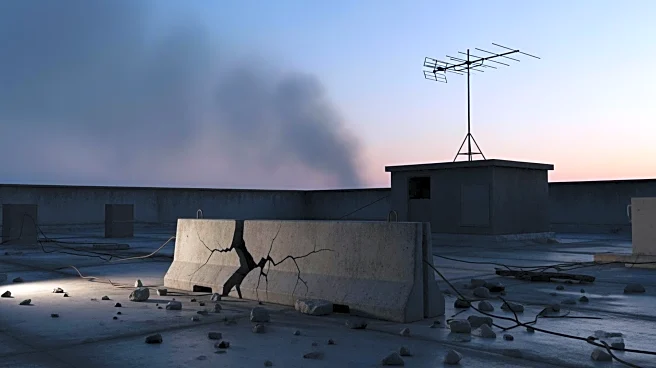
Israelis are grappling with the psychological impact of ongoing regional tensions and uncertainty, particularly following recent conflicts and the potential for further escalation involving Iran. The nation has experienced significant military engagements,
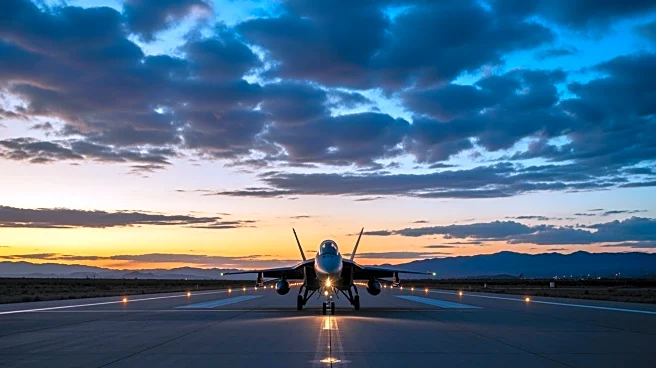
including actions against Hamas, Hezbollah, and Iran's nuclear capabilities. Despite a ceasefire in Gaza, the situation remains tense, with the U.S. positioning military assets near Iran. This uncertainty has led to widespread anxiety and stress among Israelis, who are employing various coping strategies to manage their mental health during this period of geopolitical limbo.
Why It's Important?
The psychological well-being of a population during times of uncertainty is crucial for maintaining societal stability and resilience. The ongoing stress and anxiety experienced by Israelis can have long-term effects on mental health, social cohesion, and national morale. Understanding and addressing these psychological challenges is essential for both individual and collective resilience. The situation also highlights the broader implications of geopolitical tensions on civilian populations, emphasizing the need for effective mental health support and community solidarity.
Beyond the Headlines
The current situation in Israel reflects a broader global challenge of managing psychological health in the face of geopolitical instability. The strategies employed by Israelis, such as grounding techniques and limiting news consumption, offer insights into coping mechanisms that can be applied in other contexts. Additionally, the duality of supporting military action while fearing its consequences underscores the complex emotional landscape faced by individuals in conflict zones. This highlights the importance of fostering psychological resilience and adaptability in uncertain times.