


What's Happening?
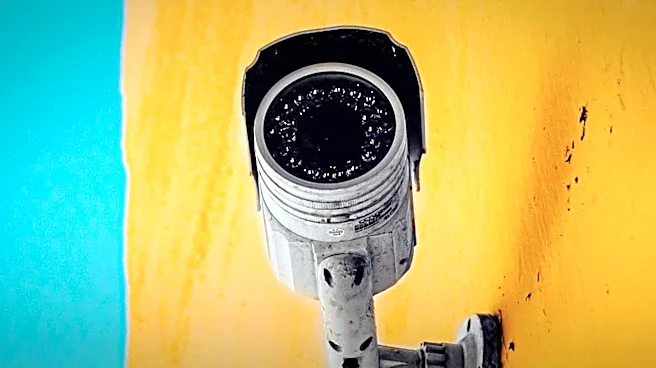
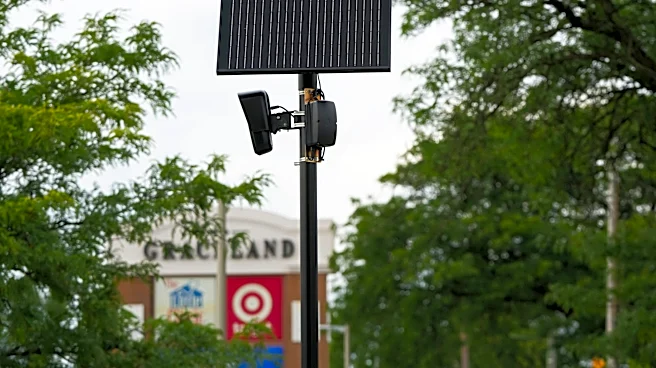
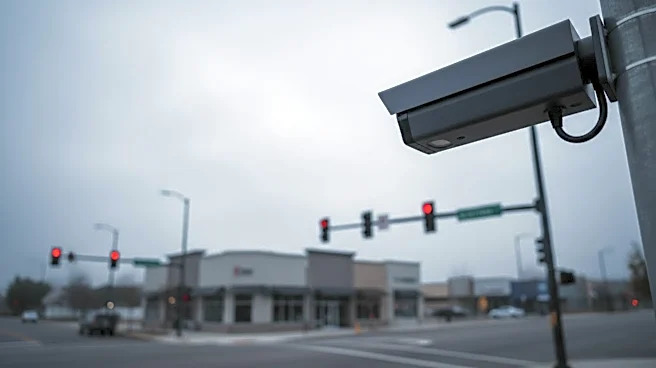
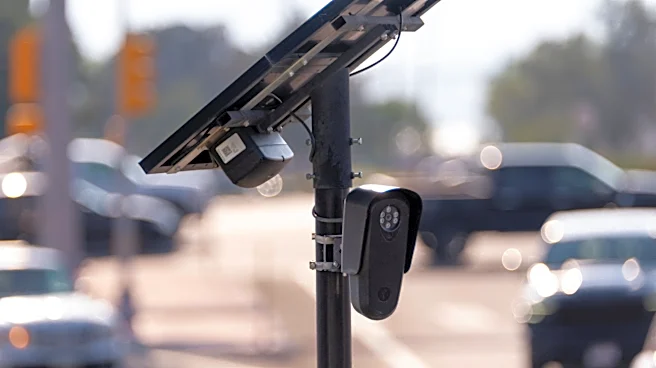
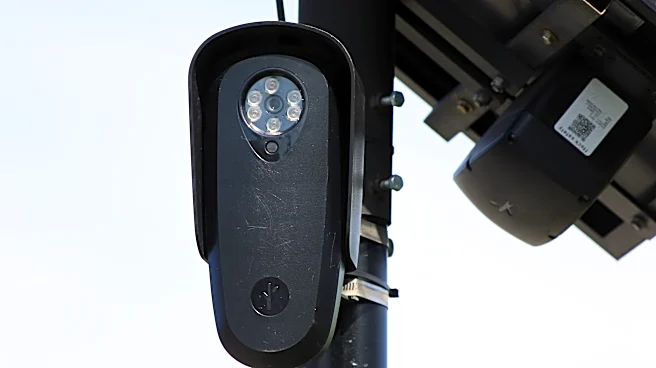
A grand jury in Clermont County, Ohio, has declined to indict Cody Morelock, a man charged with felony vandalism for allegedly destroying a Flock automatic license plate reader camera. Police in Union Township, a Cincinnati suburb, accused Morelock of
disassembling the camera, its support pole, and solar panel on June 13. Investigators identified Morelock using surveillance footage from other cameras and information linked to a credit card and customer rewards account. The estimated damage was over $1,000. Morelock was released on a $10,000 bond, but the grand jury's decision resulted in the dismissal of the charges. This incident occurs amidst increasing public resistance to Flock cameras, with dozens of units being vandalized nationwide, and a loosely organized 'De-Flock America Night' event promoted on social media for Halloween.
Why It's Important?
The grand jury's decision not to indict Cody Morelock highlights a growing public and legal challenge to the proliferation of surveillance technology, specifically automatic license plate readers (ALPRs), in the United States. This case underscores the tension between law enforcement's desire for expanded surveillance capabilities and citizens' concerns about privacy and potential misuse of data. The Institute for Justice reports over 100 cases of law enforcement officers abusing ALPR technology, often for personal reasons like stalking. While Flock has announced new safeguards, critics like the Electronic Frontier Foundation deem them 'cosmetic,' advocating for warrant requirements to access ALPR data. The increasing vandalism and organized resistance, such as 'De-Flock America Night,' indicate a significant public backlash that could influence future policy decisions regarding surveillance technologies and their deployment in communities.
What's Next?
The non-indictment in Ohio could embolden further acts of resistance against Flock cameras and similar surveillance technologies. Law enforcement agencies and municipalities utilizing these systems may face increased scrutiny and public pressure to justify their use and implement more robust privacy protections. The debate over the balance between public safety and individual privacy is likely to intensify, potentially leading to legal challenges and legislative efforts to regulate ALPRs at state and local levels. Critics will continue to push for stronger safeguards, including judicial oversight through warrants, to prevent data misuse. Flock, and other surveillance technology providers, may be compelled to develop more transparent and privacy-centric solutions to regain public trust and address the growing concerns about data collection and potential abuse.
Beyond the Headlines
This case transcends a simple act of vandalism, touching upon fundamental questions of civil liberties, the right to privacy, and the role of technology in a democratic society. The public's resistance to ALPRs reflects a broader unease with pervasive surveillance and the potential for a 'surveillance state.' The fact that a grand jury declined to indict, despite evidence presented by law enforcement, suggests a potential alignment of public sentiment within the legal system against unchecked technological monitoring. This could set a precedent for how communities respond to and challenge technologies that collect vast amounts of personal data without explicit consent or clear oversight. The 'De-Flock America Night' movement, while potentially illegal, symbolizes a grassroots effort to reclaim public spaces from what is perceived as intrusive government or corporate surveillance, highlighting a growing cultural divide over the acceptance of such technologies.