
What's Happening?
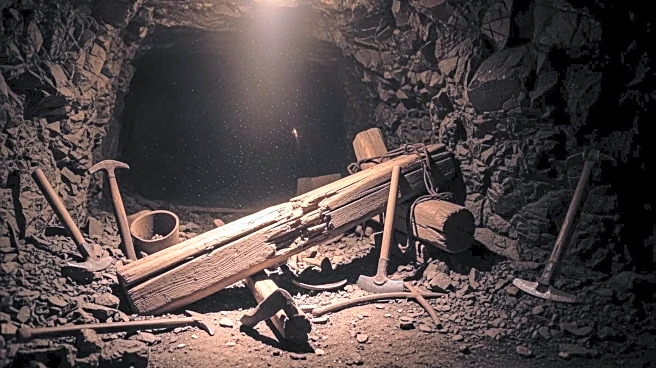
A tragic collapse at a gold mine in South Kordofan, Sudan, has resulted in the deaths of 13 miners and injuries to six others. The incident occurred in five abandoned shafts of the Umm Fakroun mine, which
had been shut down but were illegally accessed by miners. Sudan's gold industry, a significant economic driver, has been heavily impacted by ongoing conflict between the army and the paramilitary Rapid Support Forces. Despite the turmoil, the Sudanese Mineral Resources Company reported a five-year high in gold production, with 70 tons produced in 2025, though only 20 tons were exported through official channels.
Why It's Important?
The collapse highlights the precarious conditions in Sudan's artisanal and small-scale mining sector, which lacks proper safety measures and often uses hazardous chemicals. This sector is a major source of employment, engaging over two million people before the conflict exacerbated economic challenges. The incident underscores the broader economic struggles facing Sudan, where the gold industry is a critical source of revenue amid a devastated economy. The reliance on gold mining for funding war efforts further complicates the country's path to stability and economic recovery.
What's Next?
In the wake of the collapse, there may be increased calls for regulatory reforms and improved safety standards in Sudan's mining sector. The government and international organizations could face pressure to address the hazardous conditions and illegal mining activities. Additionally, the ongoing conflict and economic instability will likely continue to impact the gold industry and the broader Sudanese economy. Efforts to stabilize the region and rebuild the economy will be crucial in preventing further tragedies and ensuring sustainable development.