






What's Happening?
The San Jose Unified School District is evaluating options to provide affordable housing for its workforce, following the issuance of a $1.15 billion bond, Measure R, in 2024. Originally intended to fund the construction of 288 homes at 760 Hillsdale
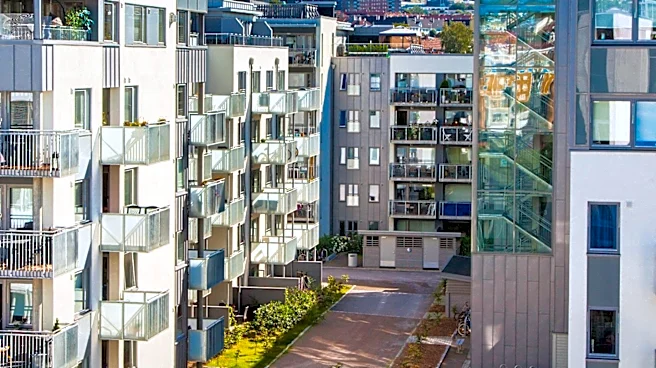
Ave, the district is now contemplating purchasing 337 condos in the Silvery Towers in downtown San Jose. This shift has sparked feelings of betrayal among those who campaigned for the bond, as they expected the district to build on its own land. Michael Melillo, a district parent and former co-chair of the Measure R campaign, expressed concerns about the long-term risks of owning condos in a tower rather than on district-owned land. Despite these concerns, Seth Reddy, the district's chief business officer, stated that no final decision has been made, and the district is still conducting due diligence on potential property purchases.
Why It's Important?
The decision on how to utilize the Measure R funds is significant as it impacts the district's ability to attract and retain teachers and staff, a critical issue given the high cost of living in San Jose. Affordable housing is seen as a key factor in reducing turnover and ensuring that educators can live within the community they serve. The potential purchase of existing condos could expedite the availability of housing compared to new construction, which faces challenges such as higher costs, union wage requirements, and potential neighborhood opposition. However, the decision also raises questions about the district's commitment to its original promises and the influence of organized labor, which played a crucial role in passing the bond measure.
What's Next?
The district plans to continue its due diligence and expects to have more information on the viability of its options in the coming months. The decision will likely involve further consultations with stakeholders, including the San Jose Teachers Union and community members. The district's advisory committee will continue to evaluate the feasibility of both purchasing existing properties and constructing new housing on district land. The outcome will have implications for the district's financial strategy and its relationship with the community and labor groups.