


What's Happening?
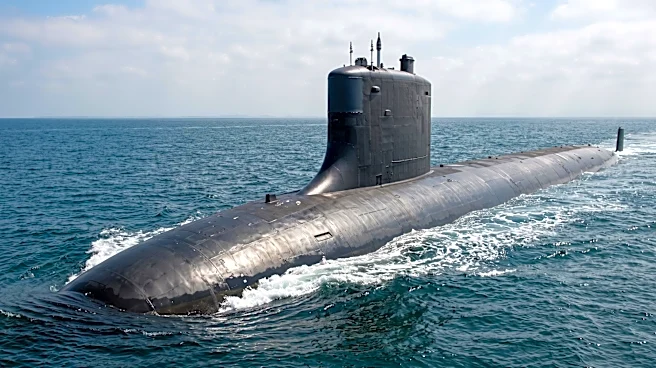
The U.S. Navy is in discussions with Fairbanks Morse Defense (FMD) to undertake maintenance work on its three Seawolf-class submarines: USS Seawolf (SSN-21), USS Connecticut (SSN-22), and USS Jimmy Carter (SSN-23). This move comes as the Navy faces significant
delays in its public shipyards, which have struggled to meet repair schedules for nuclear-powered vessels. A report from the U.S. Government Accountability Office (GAO) in August indicated that public shipyards completed only 11% of scheduled maintenance periods on time. The USS Connecticut, for instance, suffered a collision in October 2021 and its return to service is now projected for late 2026, nearly five years after the incident. FMD is currently contracted for work on six Los Angeles- and Ohio-class submarines, with the Seawolf-class maintenance expected to commence after these are completed, likely towards the end of the decade. The Navy's Naval Sea Systems Command (NAVSEA) recently awarded FMD an additional $100 million contract for emergency diesel generator overhauls to extend the operational life of existing units.
Why It's Important?
The potential involvement of a private company like FMD in maintaining the Seawolf-class submarines highlights a critical challenge for the U.S. Navy: ensuring the readiness and availability of its nuclear-powered fleet. Delays in maintenance schedules at public shipyards directly impact national security by reducing the number of operational submarines. The Seawolf class, despite its small number, is a highly specialized and expensive asset, with each vessel valued at over $10 billion (inflation-adjusted for 2025) and crucial for intelligence missions. The current difficulties in repair schedules, coupled with uncertainties surrounding the delivery of the future Columbia-class submarines and potential delays in Virginia-class construction, could lead to a significant reduction in U.S. submarine availability after 2029. This situation could weaken the Navy's strategic capabilities and its ability to project power globally, particularly in contested maritime environments. Shifting some maintenance to the private sector could alleviate pressure on public shipyards and potentially improve fleet readiness, but it also raises questions about cost-effectiveness and oversight.
What's Next?
Discussions between the U.S. Navy and Fairbanks Morse Defense are ongoing regarding the maintenance of the Seawolf-class submarines. If an agreement is reached, the work on these vessels would begin after FMD completes its current contracts on Los Angeles- and Ohio-class submarines, which is anticipated towards the end of this decade. The USS Seawolf is already scheduled for a major maintenance period at Puget Sound, with a planned start in April and an estimated delivery in 2029. The Navy will need to continue addressing the systemic issues contributing to maintenance delays at its public shipyards, potentially through increased funding, workforce development, or further collaboration with private industry. The outcome of these efforts will directly influence the operational readiness of the U.S. submarine fleet in the coming years, especially as new submarine classes are introduced and older ones require life extensions.
Beyond the Headlines
The reliance on private contractors for critical military asset maintenance, while offering potential solutions to capacity issues, also brings broader implications. It underscores a long-term trend of outsourcing defense capabilities, which can lead to debates about national security implications, cost efficiency, and the preservation of specialized skills within government-owned facilities. The Seawolf class's history, originally planned for a much larger fleet but scaled back due to budget cuts after the Cold War, reflects evolving defense priorities and fiscal constraints. The current challenges in maintaining these high-value assets highlight the complex interplay between strategic needs, industrial capacity, and budgetary realities. Ensuring the longevity and operational effectiveness of these submarines is not just a logistical challenge but also a strategic imperative for maintaining U.S. naval superiority and intelligence gathering capabilities in a rapidly changing global landscape.