






What's Happening?
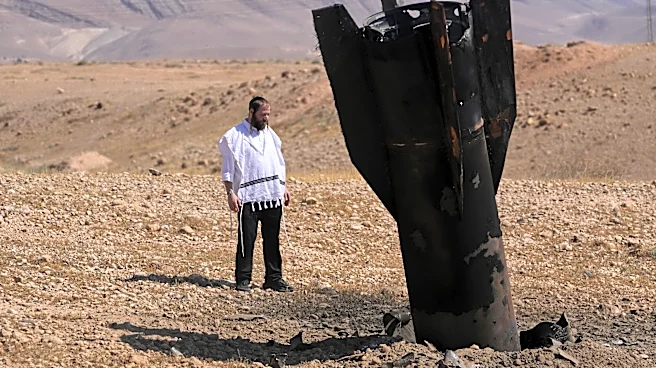
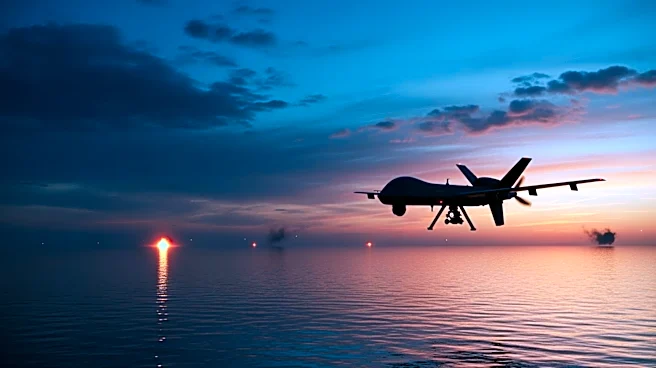
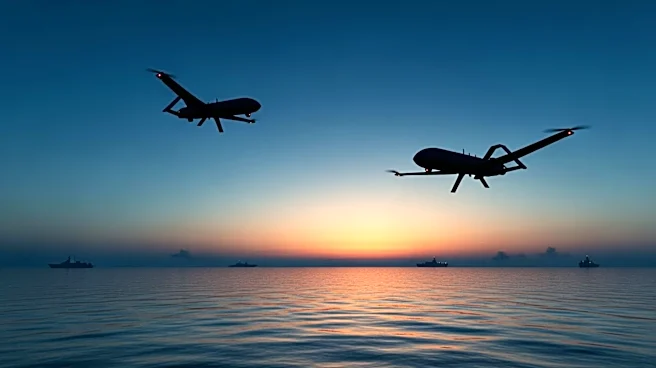
The U.S. Central Command (CENTCOM) has initiated self-defense strikes against Iran, holding Tehran accountable for the downing of a U.S. Army Apache helicopter. This military action marks a significant escalation in tensions between the two nations. The strikes are
described as a response to what the U.S. perceives as aggressive actions by Iran, which have threatened American military assets. The incident involving the Apache helicopter has not been detailed extensively, but it has prompted a swift military response from the U.S., highlighting the volatile nature of U.S.-Iran relations.
Why It's Important?
The U.S. military's decision to launch strikes against Iran underscores the fragile state of international relations in the region. This development could have significant implications for U.S. foreign policy and military strategy, potentially affecting diplomatic efforts and regional stability. The strikes may also influence global oil markets and international diplomatic relations, as Iran is a key player in the Middle East. The situation could lead to increased military spending and a shift in defense priorities for the U.S., impacting taxpayers and defense contractors.
What's Next?
The immediate future may see heightened military readiness and potential further engagements between U.S. and Iranian forces. Diplomatic channels may be utilized to de-escalate the situation, but the potential for further military action remains. The international community, including allies and adversaries, will likely monitor the situation closely, with possible calls for restraint and dialogue. The U.S. government may face pressure from both domestic and international actors to clarify its strategy and objectives in the region.