






What's Happening?
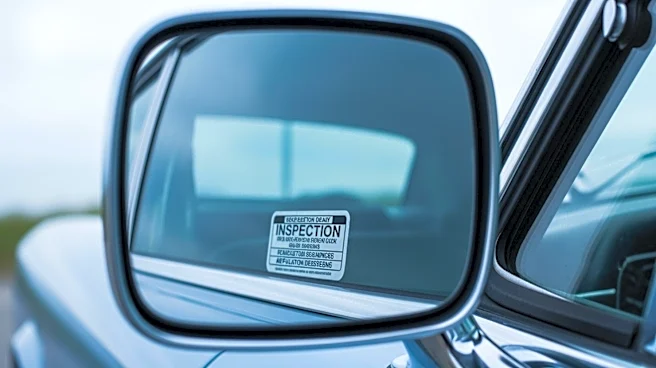
Gordon-Darby, the company previously responsible for New Hampshire's vehicle inspection program, plans to file a new lawsuit against state officials if the program is not resumed by July. The company withdrew its initial lawsuit after a U.S. Court of Appeals
decision allowed the program to remain on hold. The court found that an injunction to continue inspections should not have been issued and that Gordon-Darby filed its lawsuit prematurely. The company argues that the suspension of the program violates the federal Clean Air Act. New Hampshire has requested a waiver from the Environmental Protection Agency, which could take several months to process. Currently, vehicle inspections are not required in the state.
Why It's Important?
The outcome of this legal battle could have significant implications for environmental policy and regulatory practices in New Hampshire and potentially other states. If Gordon-Darby succeeds, it may reinforce the enforcement of federal environmental standards at the state level, impacting how states manage vehicle emissions and inspections. The case also highlights the tension between state and federal regulations, particularly concerning environmental protection and public health. The decision could affect stakeholders, including vehicle owners, environmental advocacy groups, and state regulatory bodies, by setting a precedent for how similar disputes are handled in the future.
What's Next?
If the lawsuit proceeds, it could lead to a court ruling that mandates the resumption of the vehicle inspection program, potentially affecting thousands of vehicle owners in New Hampshire. The state may need to expedite its request for a waiver from the EPA to avoid legal repercussions. Additionally, the case could prompt other states to review their compliance with federal environmental laws, especially those related to vehicle emissions. Stakeholders, including environmental groups and state officials, will likely monitor the case closely, as its outcome could influence future regulatory decisions and environmental policies.