



What's Happening?
The Vernon County Board of Supervisors in Wisconsin has voted to create a special five-member committee to assess a proposal for leasing a portion of the county-owned farm property for a utility-scale solar project. This decision, made during the board's
September 17 meeting, followed extensive discussions on renewable energy, agricultural land preservation, local economic development, and potential partnerships to assist low-income residents with rising utility bills. Supervisor Charles Jacobson initiated the debate by presenting an inquiry from the Renewable Energy Siting and Engagement for Tomorrow (RESET) program, a University of Wisconsin Extension initiative funded by the U.S. Department of Energy. The inquiry asked if Vernon County would reconsider a previous proposal from a Minnesota energy developer to lease 58 to 90 acres of the approximately 200-acre county farm in Viroqua for a ground-mounted solar array. Jacobson highlighted that utility-scale solar leases in the region offer landowners between $500 and $1,500 per acre annually, significantly more than standard agricultural cash rents. The board's motion directs Chair Lorn Goede to appoint the special committee to study the feasibility, land use impacts, and potential community benefits of developing a solar farm on the county property.
Why It's Important?
This initiative is important as it represents a local government's proactive exploration of renewable energy solutions while balancing agricultural interests and community needs. The potential for significantly increased revenue from solar leases, compared to traditional agricultural rents, could provide a substantial financial boost for Vernon County. This could, in turn, fund other community initiatives or reduce the tax burden on residents. Furthermore, the discussion touches upon broader themes of energy independence, sustainable land use, and economic development in rural areas. The involvement of the U.S. Department of Energy-funded RESET program underscores a national push towards renewable energy and provides local governments with resources to explore such projects. The debate also highlights the complex considerations involved in transitioning to renewable energy, including the trade-offs between preserving agricultural land and generating clean energy, and the need for comprehensive energy strategies that address both economic and social welfare. The potential for partnerships to assist low-income residents with utility bills demonstrates a commitment to equitable energy solutions.
What's Next?
The immediate next step involves Vernon County Board Chair Lorn Goede appointing the five supervisors to the special committee. This committee will then be tasked with studying the feasibility, land use impacts, and potential community benefits of developing a solar farm on the county property. The committee is expected to gather data, potentially invite energy specialists and university educators to present to the full board, and consider various aspects of the proposal. This includes evaluating the financial viability, addressing concerns about converting agricultural land, and exploring how a solar project could integrate with a broader county energy strategy or other community development goals, such as affordable housing or young farmer incubator programs. The committee's findings and recommendations will then be presented back to the full Vernon County Board of Supervisors for further discussion and a final decision on whether to proceed with leasing land for a solar farm.
Beyond the Headlines
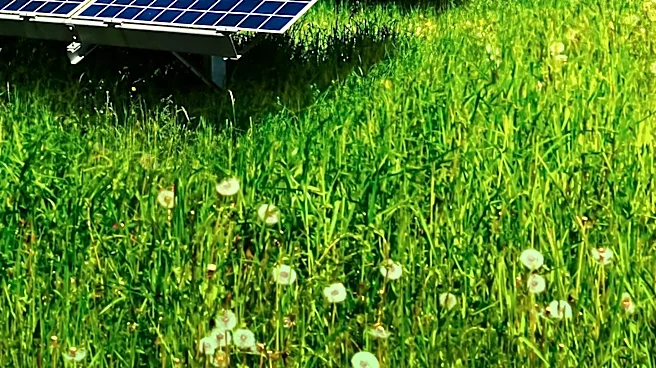
Beyond the immediate financial and environmental considerations, this development in Vernon County reflects a growing national trend where local governments grapple with the complexities of renewable energy integration. The debate over converting productive agricultural land to solar farms highlights a fundamental tension between food security and energy production, a challenge that will likely intensify as the demand for both increases. The concept of 'agrivoltaics,' where solar panels are elevated to allow for farming or grazing underneath, offers a potential solution to this dilemma, suggesting innovative approaches to land use that maximize benefits. Furthermore, the emphasis on assisting low-income residents with utility bills through potential solar revenue points to a broader societal goal of ensuring equitable access to affordable energy, particularly as energy costs fluctuate. This local decision-making process could serve as a model or case study for other rural communities across the U.S. facing similar opportunities and challenges in their transition to a more sustainable future.