




What's Happening?
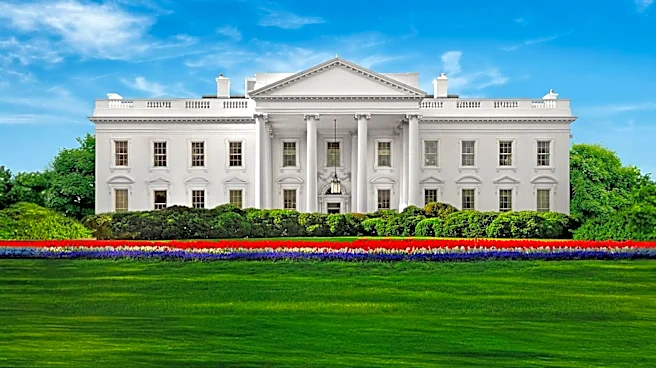
President Donald Trump has introduced a new gold-script sign reading 'The West Wing' at the White House, marking the latest addition in a series of renovations aimed at reshaping and personalizing the presidential complex. This new signage, displayed
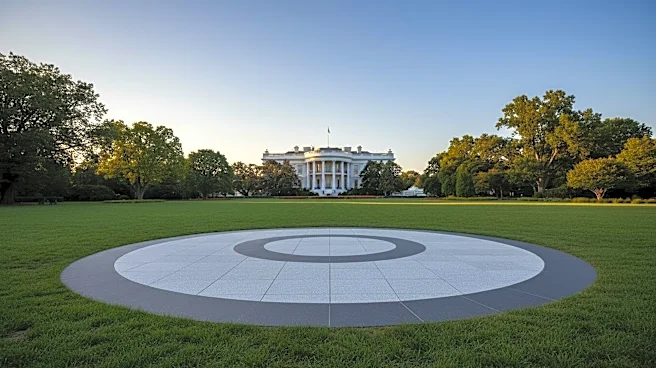
in an ornate cursive typeface, is part of a broader effort by President Trump to introduce consistent decorative branding elements across the White House grounds. The renovations include newly landscaped grounds, maple trees, and plantings, as well as a 'Presidential Walk of Fame' along the West Colonnade. These changes are part of a wider overhaul of the White House and surrounding federal landmarks that Trump has pursued during his second term. The president has also launched plans for major construction work on the White House grounds, including a proposed ballroom for state events, which has sparked debate among preservationists and critics.
Why It's Important?
The renovations at the White House reflect President Trump's ongoing efforts to leave a distinctive mark on the presidency's physical surroundings. The introduction of custom gold signage and other decorative elements signifies a shift towards a more personalized and branded presidential complex. This move has implications for the historical character of the White House, as it raises questions about the balance between modernization and preservation. The proposed ballroom and other construction projects could impact the use of the White House for state events and gatherings, potentially altering its role in U.S. political and social life. Additionally, the renovations have drawn scrutiny regarding their cost and management, highlighting the challenges of maintaining and updating historic federal landmarks.
What's Next?
As the renovations continue, further developments are expected in the White House's transformation under President Trump's administration. The proposed ballroom and other construction projects will likely face ongoing debate and scrutiny from preservationists, critics, and the public. The administration may need to address concerns about the impact on the historic character of the White House and the management of renovation costs. Additionally, the broader implications of these changes on the presidency's image and the White House's role in U.S. political and social events will continue to unfold.