




What's Happening?
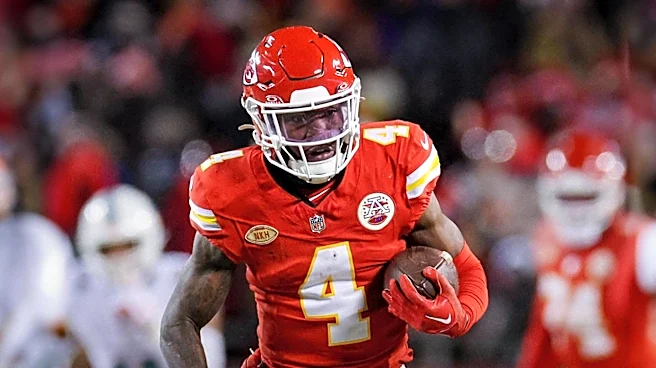
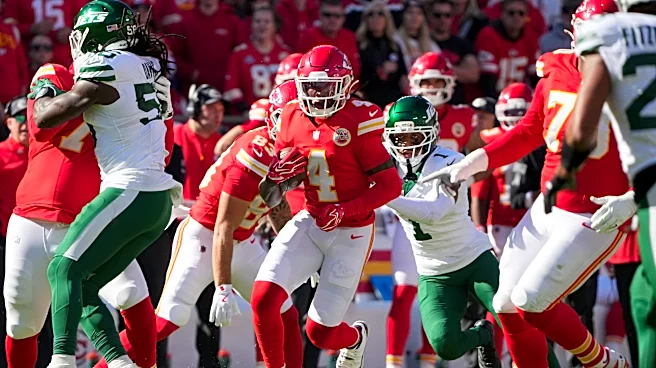
Kansas City Chiefs wide receiver Rashee Rice is facing accusations of filing for Chapter 7 bankruptcy to avoid accountability for a 2024 rental car crash. Attorney Kyle Coker, representing The Classic Lifestyle, a Lamborghini rental company, stated that
Rice's bankruptcy filing was a tactic to evade an impending jury trial related to the incident. Rice had previously pleaded guilty to felony racing on a highway and felony collision causing serious bodily injury charges after causing a six-car pileup in Dallas in March 2024. Coker claims that Rice filed for bankruptcy after a court denied his request for a continuance, suggesting he was attempting to avoid facing the consequences of his actions. Rice has reportedly paid $2.1 million in civil lawsuits related to the crash but still owes The Classic Lifestyle, despite lacking insurance. His bankruptcy filing lists over $3.45 million in debt against only $677,000 in assets, while Coker points to Rice's expected earnings of tens of millions from his next contract.
Why It's Important?
This situation highlights the legal and financial ramifications that professional athletes can face due to off-field incidents. The accusation of bankruptcy fraud, if proven, could have significant legal consequences for Rashee Rice, potentially impacting his career and public image. For The Classic Lifestyle, the outcome of the bankruptcy case will determine their ability to recover damages from the rental car crash. The case also brings into focus the financial management and accountability of high-earning individuals, especially when facing substantial legal liabilities. The legal battle could set a precedent for how similar cases involving public figures and significant debt are handled, particularly when there are allegations of strategic bankruptcy filings to avoid financial obligations. The ongoing legal proceedings could also influence public perception of athletes' responsibility and the justice system's ability to ensure accountability.
What's Next?
Attorney Kyle Coker plans to attend the bankruptcy court case to challenge Rashee Rice's filing, aiming to prevent him from successfully discharging his debts. The legal proceedings will determine whether Rice's bankruptcy filing is deemed legitimate or an attempt to evade financial responsibility. Following the current NFL season, Rice is set to become a free agent, and the outcome of this legal battle could significantly influence his future contract negotiations and market value. His previous sentencing for the street racing crash included 30 days behind bars and five years of probation, indicating a history of legal issues that could be further complicated by the bankruptcy fraud allegations. The court's decision in the bankruptcy case will be crucial for both Rice and the rental company, potentially leading to further appeals or settlements depending on the ruling.
Beyond the Headlines
The case extends beyond a simple financial dispute, touching upon ethical considerations regarding personal responsibility and the use of legal mechanisms like bankruptcy. The accusation that Rice is using bankruptcy to avoid accountability for injuring others raises questions about the moral obligations of individuals, particularly those in the public eye. It also sheds light on the challenges faced by victims of such incidents in seeking redress, especially when dealing with individuals who may have complex financial situations. The public and media scrutiny surrounding this case could influence how professional sports leagues and teams address player conduct and financial accountability, potentially leading to stricter clauses in contracts or enhanced support systems for athletes to manage their finances and legal responsibilities. The outcome could also spark broader discussions about the fairness and intent behind bankruptcy laws.