





What's Happening?
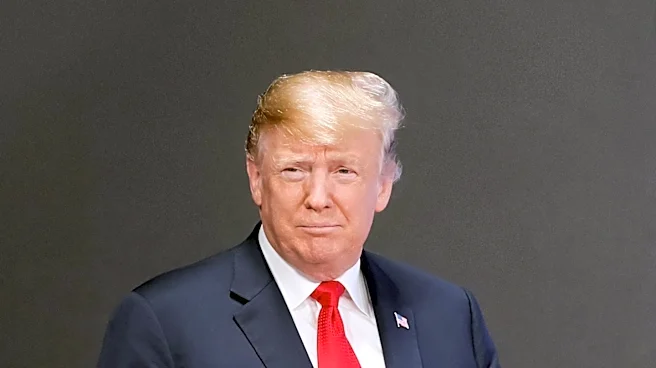
President Donald Trump has increasingly taken on the role of a commentator-in-chief, offering his opinions on various issues from crime to immigration, and even his administration's scandals. This approach is reminiscent of his past as a reality TV host,
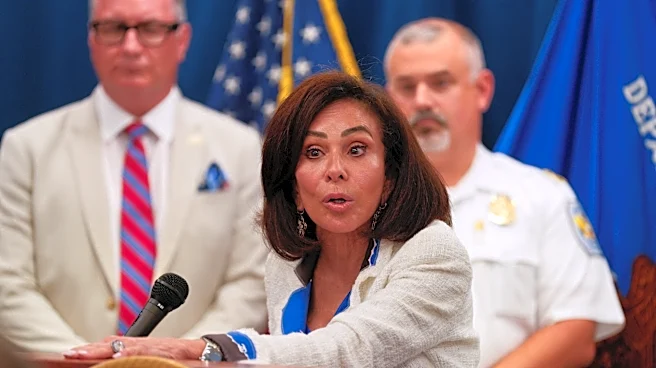
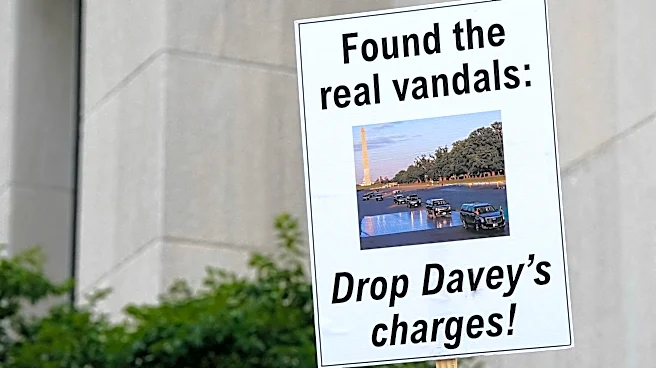
where he often assigns motives, identifies heroes and villains, and provides his audience with talking points. Recently, Trump criticized US Attorney Jeanine Pirro for dropping charges against a former Olympian accused of vandalizing the Lincoln Memorial reflecting pool, attributing the decision to shoddy workmanship rather than vandalism. Trump's commentary style often includes exaggerated accusations and a tendency to fill awkward silences with his own narratives.
Why It's Important?
Trump's dual role as president and commentator-in-chief highlights a unique approach to leadership that blurs the lines between governance and media commentary. This strategy allows him to maintain control over the narrative and engage directly with his base, bypassing traditional media filters. However, it also raises questions about the impact of such commentary on public perception and the functioning of his administration. By positioning himself as both a subject and a critic, Trump influences public discourse and shapes the political landscape, potentially affecting policy decisions and public trust in government institutions.