








What's Happening?
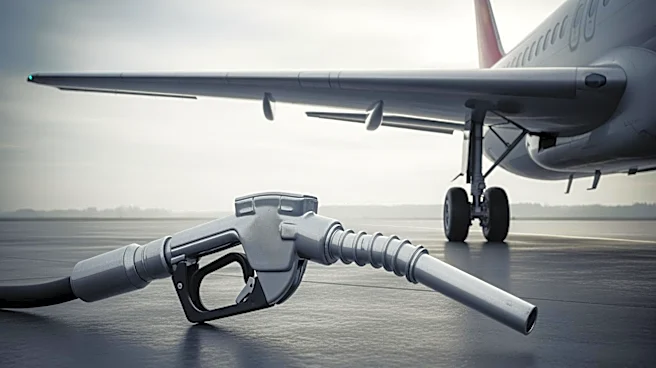
Airlines around the world are canceling flights due to rising jet fuel costs, exacerbated by geopolitical tensions in the Middle East. This situation is creating a complex landscape for travelers, who must navigate varying passenger protection laws depending
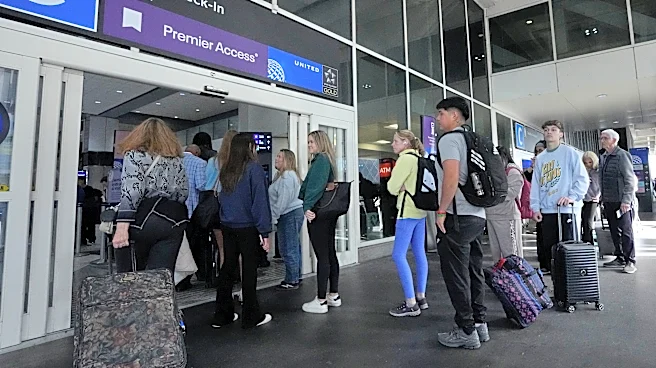
on their location. In the European Union, passengers benefit from strong protections, including compensation and rebooking options, regardless of the airline's nationality. In contrast, the U.S. offers more limited protections, primarily ensuring refunds or rebooking for canceled flights. The timing of these cancellations coincides with increased summer travel demand, further complicating travel plans. Airlines like Lufthansa have announced significant reductions in their flight schedules, providing travelers with some advance notice to adjust their plans.
Why It's Important?
The rise in jet fuel costs and subsequent flight cancellations have significant implications for the travel industry and consumers. For airlines, these disruptions could lead to financial losses and operational challenges as they attempt to manage schedules and maintain customer satisfaction. Travelers face potential inconveniences and financial burdens, especially if they are unaware of their rights or unable to secure timely rebookings. The situation highlights the disparities in consumer protection laws across regions, with European travelers enjoying more robust rights compared to their American counterparts. This could influence future policy discussions on passenger rights in the U.S., especially as consumer advocacy groups push for stronger protections.
What's Next?
As the situation develops, airlines may continue to adjust their schedules in response to fuel cost fluctuations and geopolitical developments. Travelers are advised to stay informed about their rights and explore alternative travel options, such as booking flights earlier in the day or considering nearby airports. Airlines might also face increased pressure from consumer advocacy groups and regulatory bodies to enhance passenger protections, particularly in regions with less comprehensive laws. The travel industry will need to adapt to these challenges, potentially leading to changes in pricing strategies and operational practices.