









What's Happening?
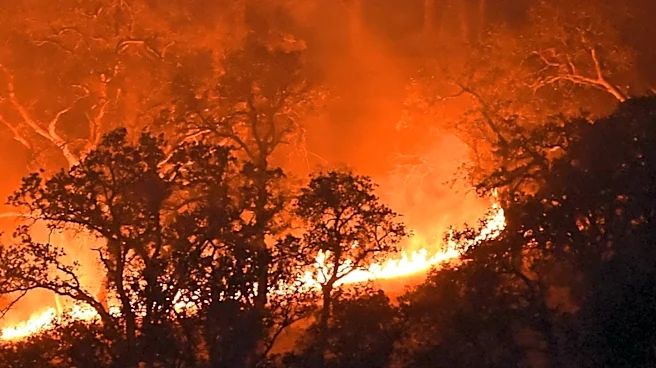
State fire officials in Oregon are advising residents to exercise caution with fireworks as the Fourth of July weekend approaches, due to hot and dry conditions that increase the risk of wildfires. Despite these warnings, no new statewide restrictions
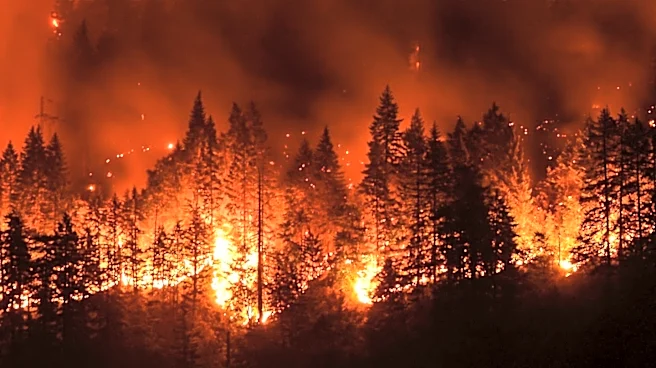
on the sale or use of fireworks have been implemented. The sale of fireworks in Oregon is permitted from June 23 to July 6, with local governments responsible for most regulations. Fireworks that explode or behave unpredictably are illegal unless used by licensed operators. The state has a history of fireworks-related wildfires, including a significant incident in 2017 when a teenager's actions led to a fire that burned 50,000 acres. Efforts to impose stricter regulations on fireworks have not gained traction in the state legislature.
Why It's Important?
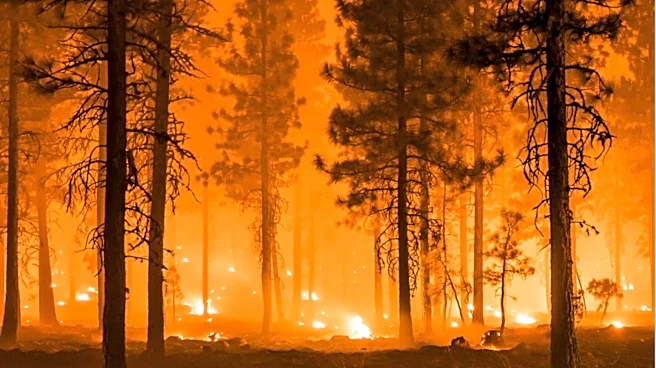
The advisory from Oregon fire officials highlights the ongoing challenge of balancing public celebration with safety concerns, particularly in regions prone to wildfires. Fireworks are a leading cause of human-induced wildfires, posing significant risks to communities and natural resources. The decision not to impose new restrictions reflects a complex interplay of public sentiment, political will, and regulatory authority. This situation underscores the importance of public awareness and responsible behavior to prevent potential disasters. The economic impact of wildfires, including costs related to firefighting and recovery, can be substantial, affecting local economies and state resources.
What's Next?
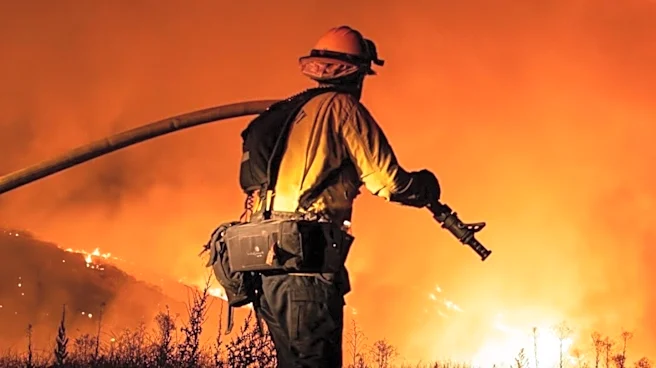
As the Fourth of July approaches, local governments in Oregon may consider implementing their own restrictions or advisories to mitigate fire risks. Public safety campaigns are likely to emphasize the importance of attending professional fireworks displays rather than using personal fireworks. The state fire marshal's office remains prepared to respond to any incidents that may arise. The ongoing drought conditions and potential for extreme fire behavior in the region will continue to be monitored closely by state and local agencies.