


What's Happening?
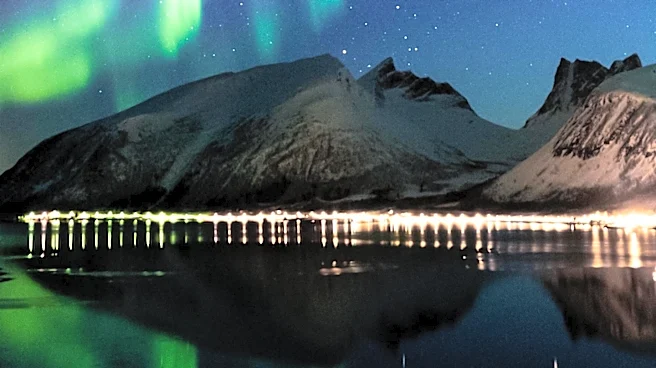
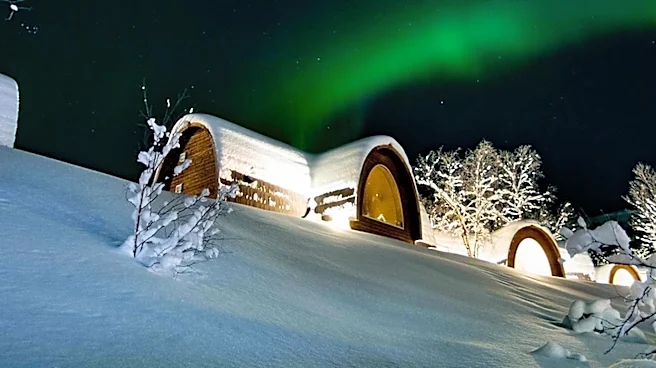
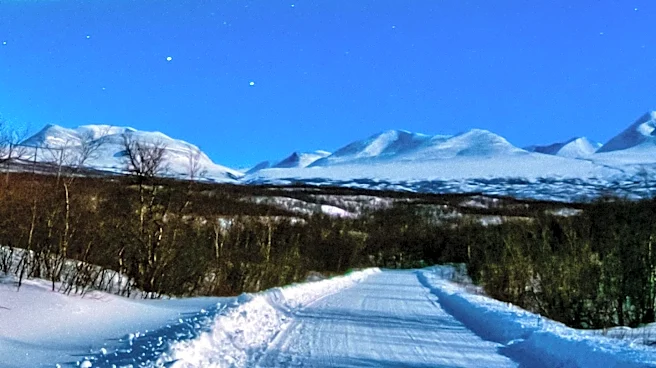
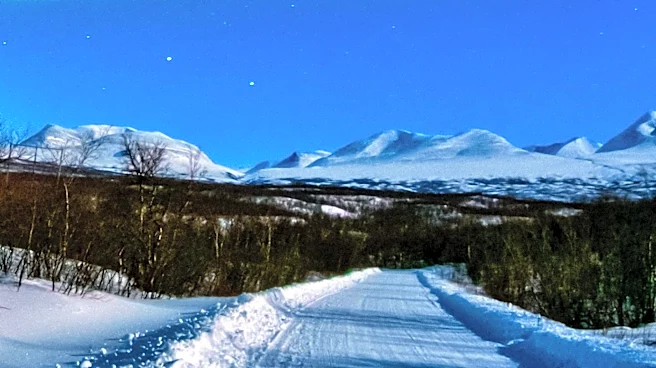
Tromsø, a city located 350 km north of the Arctic Circle in Norway, is being highlighted as a premier location for experiencing the Northern Lights. The city offers various tours that venture away from urban light pollution to provide optimal viewing
conditions. The peak season for observing the Aurora Borealis in Tromsø spans from September to March. Beyond its celestial attractions, Tromsø is described as a small Arctic city with a rich cultural scene and natural wonders. Key attractions include the Arctic Cathedral, the Fjellheisen cable car, and opportunities for husky sledding and fjord cruises. The city serves as a gateway to the Arctic and has historically been a starting point for North Pole expeditions, also hosting a major Norwegian university.
Why It's Important?
The recognition of Tromsø as a leading Northern Lights destination underscores the growing global interest in unique natural phenomena and adventure tourism. For the U.S. travel industry, this highlights a potential area for increased outbound tourism, as Americans seek distinctive international travel experiences. The emphasis on escaping light pollution for optimal viewing also brings attention to environmental considerations in tourism, promoting practices that preserve natural dark skies. Economically, the influx of tourists to destinations like Tromsø supports local economies through hospitality, tour operations, and related services, potentially influencing U.S. travel agencies and airlines to expand their offerings to such niche markets. The blend of natural beauty and cultural attractions in Tromsø also caters to a diverse range of travelers, from adventure seekers to those interested in Arctic culture and history.
What's Next?
Given Tromsø's growing reputation, it is anticipated that travel agencies and tour operators, including those in the U.S., will continue to develop and promote specialized Northern Lights packages. This could lead to an increase in direct flights or more convenient travel routes from major U.S. hubs to Norway. Local businesses in Tromsø are likely to further enhance their tourism infrastructure, offering more diverse activities and accommodations to cater to an international clientele. There may also be a continued focus on sustainable tourism practices to manage the environmental impact of increased visitor numbers, particularly concerning light pollution and the preservation of Arctic ecosystems. Educational initiatives about the Aurora Borealis and Arctic culture could also see a boost, attracting travelers interested in learning more about the region.
Beyond the Headlines
The allure of the Northern Lights in Tromsø taps into a deeper human fascination with natural wonders and the cosmos. This phenomenon offers a unique blend of scientific interest and spiritual experience, drawing visitors seeking both awe-inspiring beauty and a connection to the natural world. The emphasis on escaping light pollution for viewing also subtly highlights broader environmental concerns about urban development and its impact on natural phenomena. Culturally, Tromsø's position as a hub in the Arctic, with its historical ties to exploration and indigenous communities, provides a rich context for understanding human adaptation and resilience in extreme environments. This type of tourism can foster cross-cultural understanding and appreciation for diverse landscapes and ways of life, extending beyond a mere vacation to a more profound travel experience.