


What's Happening?
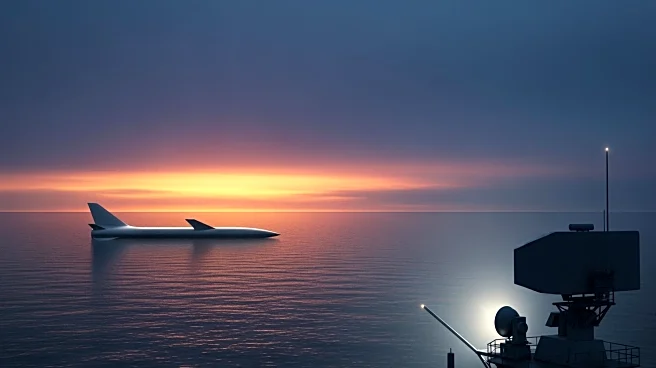
The U.S. is set to increase its deployment of advanced missile and unmanned systems to the Philippines, as announced by the State Department. This move is part of a broader strategy to enhance military presence in the Pacific, particularly with the Typhon
missile system, which was first deployed in April 2024. The Typhon system, known for its anti-ship capabilities, uses modified Navy SM-6 and Tomahawk missiles with ranges of 290 and 1,000 miles, respectively. This deployment is seen as a strategic challenge to China and Russia, with the Congressional Research Service highlighting its significance in a recent report. The system's presence is expected to be showcased during the upcoming U.S.-Philippine Balikatan exercises.
Why It's Important?
The increased deployment of missile systems in the Pacific underscores the U.S.'s commitment to countering the growing influence of China and Russia in the region. By enhancing military capabilities in the Philippines, the U.S. aims to strengthen its strategic alliances and deter potential threats. This move could lead to heightened tensions in the region, as both China and Russia may perceive it as a direct challenge to their military presence. The deployment also reflects the U.S.'s broader defense strategy to maintain a balance of power in the Indo-Pacific, ensuring the security of its allies and protecting its interests.
What's Next?
The upcoming joint U.S.-Philippine Balikatan exercises will likely serve as a platform to demonstrate the capabilities of the Typhon missile system. Observers will be keen to see how this deployment affects regional dynamics, particularly in terms of military cooperation and potential responses from China and Russia. The U.S. may continue to expand its military presence in the region, potentially leading to further diplomatic engagements or tensions with neighboring countries.