






What's Happening?
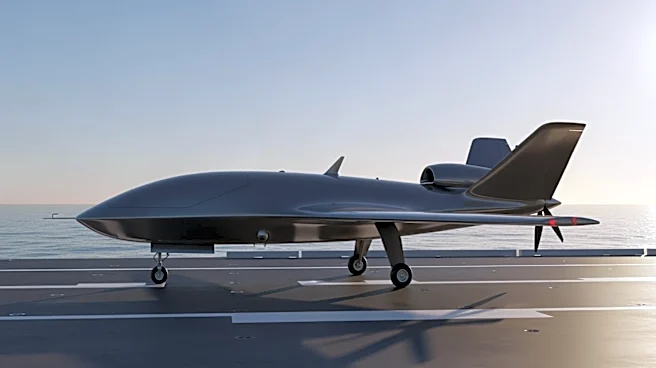
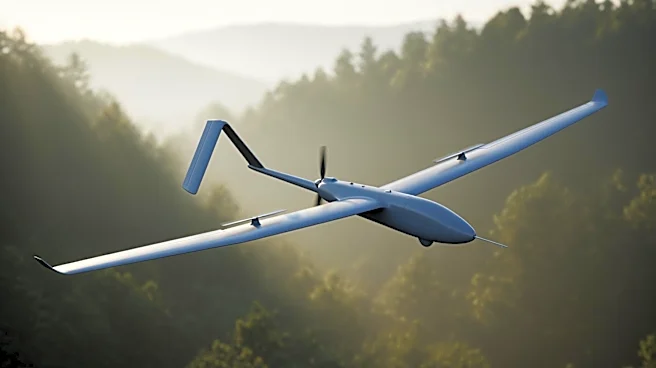
The U.S. military is testing glider drones, known as Grasshoppers, to enhance stealth capabilities in contested environments. These drones, used during the Trojan Footprint exercise in Romania and Macedonia, can deliver supplies without emitting detectable
electronic signals. The Grasshoppers are designed to operate below detection thresholds, addressing vulnerabilities in modern military operations where electronic emissions can reveal troop locations. The drones can carry up to 500 pounds of cargo and are capable of being released from high altitudes, making them suitable for resupply missions in areas where traditional methods are not feasible.
Why It's Important?
The development of these glider drones represents a significant shift in military strategy, focusing on reducing electronic signatures to avoid detection. This is crucial as modern battlefields become increasingly digitized, with adversaries capable of intercepting electronic communications. The ability to resupply troops stealthily enhances operational security and effectiveness, particularly in hostile environments. This innovation reflects broader efforts within the U.S. military to adapt to new threats and reduce reliance on digital systems, which have been a staple in recent conflicts.
What's Next?
The U.S. military will likely continue to refine and test these glider drones to assess their performance in various conditions. Further development could lead to widespread adoption of such technology, potentially transforming logistics and resupply operations. The success of these drones may also influence other military branches and allied forces to explore similar technologies. As the military seeks to minimize electronic footprints, additional innovations in stealth and communication methods are expected.