









What's Happening?
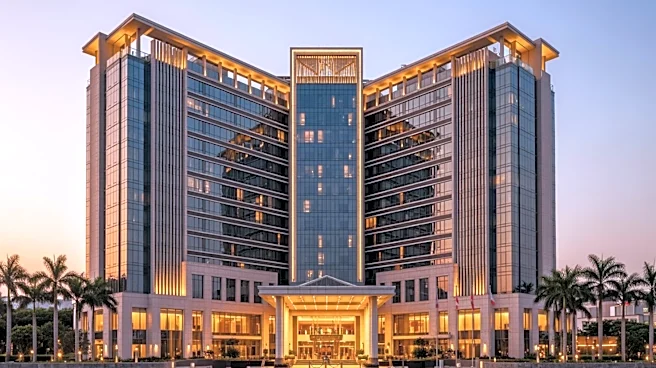
Ascott, a Singapore-based hospitality company, has announced a significant expansion in Southeast Asia, marking a 'landmark year of signings' in 2025. The company has added over 7,300 new units, a 55% increase from 2024, positioning it among the top three
hotel operators in the region by new signings, according to Horwath HTL. This expansion is part of a broader trend where intra-ASEAN travel is driving the post-pandemic rebound, surpassing long-haul travel from Europe or North America. Ascott currently operates over 200 properties in Southeast Asia and has about 150 more in its pipeline, with more than 25 expected to open this year. The company is focusing on intra-ASEAN travelers who prefer local experiences and flexibility, which is influencing their product design and hospitality offerings.
Why It's Important?
The expansion of Ascott in Southeast Asia highlights a shift in travel dynamics post-pandemic, where regional travel is becoming more prominent. This trend is significant for the hospitality industry as it suggests a change in traveler preferences, with a focus on local experiences and flexibility. For Ascott, this means adapting their offerings to cater to these preferences, potentially leading to increased occupancy rates and revenue. The company's strategic move to enter about 20 new secondary cities also indicates a response to improved regional connectivity and local demand. This expansion could set a precedent for other hospitality companies to follow, impacting the competitive landscape in the region.
What's Next?
Ascott's continued expansion in Southeast Asia is likely to influence other hospitality companies to reevaluate their strategies in the region. As the company opens more properties, it will be crucial to monitor how well they adapt to the preferences of intra-ASEAN travelers. Additionally, the success of this expansion could encourage further investment in regional travel infrastructure, enhancing connectivity and accessibility. Stakeholders, including local governments and tourism boards, may also play a role in supporting this growth by promoting regional travel and developing policies that facilitate easier movement within Southeast Asia.