





What's Happening?
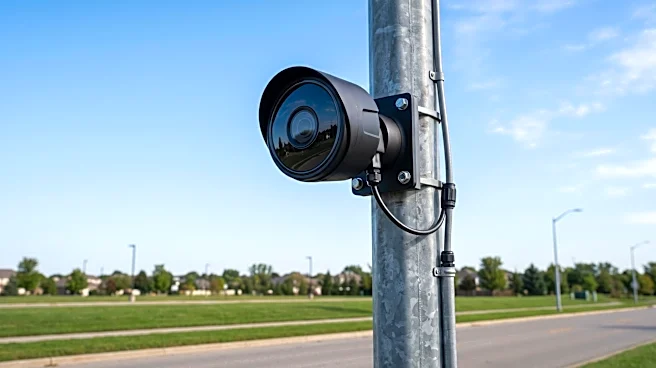
Nineteen municipalities across Connecticut have received approval to install automated traffic enforcement devices, including speed and red light cameras. While some towns like Beacon Falls, Fairfield, and Marlborough have already activated their cameras and begun
issuing fines, others, such as Hamden and Hartford, have approved plans but not yet activated the devices. Greenwich, after an initial approval, halted camera use and resubmitted a revised plan, which was approved in October 2026, with activation expected soon. Milford also paused its camera use in August, with a panel currently reviewing their implementation. The state Department of Transportation (DOT) is reviewing recommendations from the Connecticut Police Officers Standards and Training Council, which was tasked with examining the increased use of automated cameras after Governor Ned Lamont urged municipalities to pause new installations in August 2026. The legislature is also anticipated to discuss bills related to speed cameras and automatic license-plate readers (ALPRs) when it reconvenes in January.
Why It's Important?
The rollout of speed cameras in Connecticut signifies a shift in traffic enforcement strategies, aiming to improve road safety by deterring speeding. For residents, this means increased vigilance on speed limits, particularly in designated camera zones, to avoid fines. The pause requested by Governor Lamont and the ongoing review by the DOT and the Police Officers Standards and Training Council highlight concerns about the implementation and potential impact of these technologies. The legislative discussions expected in January will be crucial in shaping the regulatory framework for automated enforcement, potentially addressing issues of privacy, fairness, and the standardization of camera usage across the state. The varying stages of implementation among municipalities also suggest a fragmented approach, which could lead to inconsistencies in enforcement and public perception.
What's Next?
The Connecticut DOT is currently reviewing the recommendations from the Connecticut Police Officers Standards and Training Council regarding the use of automated cameras. The state legislature is expected to discuss new bills concerning both speed cameras and ALPRs when it reconvenes in January. These legislative actions could lead to more detailed guidance and standardized regulations for municipalities. Several towns, including Hamden and Hartford, are yet to activate their approved cameras, and their next steps will likely depend on the outcome of state-level reviews and legislative decisions. Milford's seven-member panel is expected to issue a recommendation on the continued use of cameras in November, which could influence other municipalities. West Hartford's revised plan is under DOT review, with activation hoped for by year-end or January.
Beyond the Headlines
The expansion of automated traffic enforcement devices raises broader questions about the balance between public safety, individual privacy, and the role of technology in governance. While proponents argue that these cameras enhance safety and free up law enforcement resources, critics often voice concerns about potential revenue generation motives, the accuracy of the technology, and the lack of human discretion in issuing citations. The debate over ALPRs, often referred to as Flock cameras, further complicates the issue, as these devices can collect vast amounts of data on vehicle movements, leading to privacy implications. The absence of comprehensive state regulatory oversight for ALPRs, as noted in the source, suggests a need for robust policy discussions to ensure transparency, accountability, and the protection of civil liberties as these technologies become more prevalent.