

What's Happening?
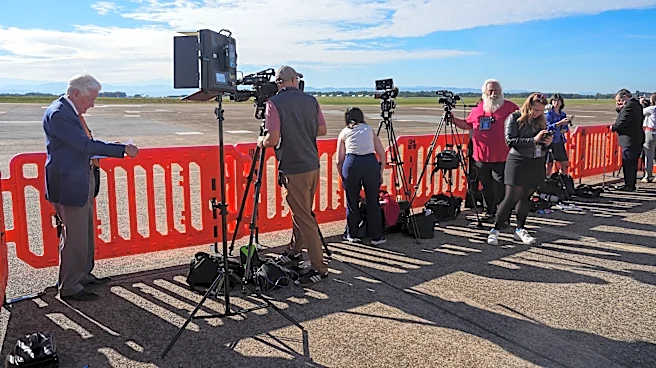
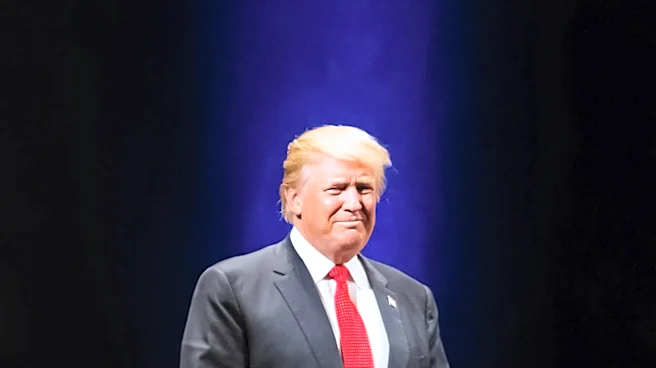
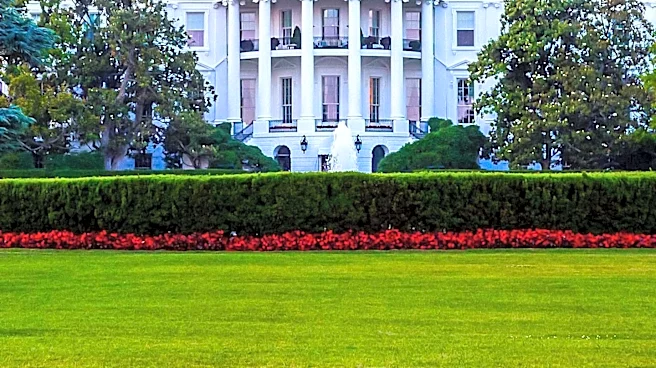
CNN, MS NOW, and Politico have filed a request with a federal judge to extend an order temporarily restoring their access to the White House and to block President Trump's ban on their presence. The news organizations argue that the ban constitutes an 'unlawful
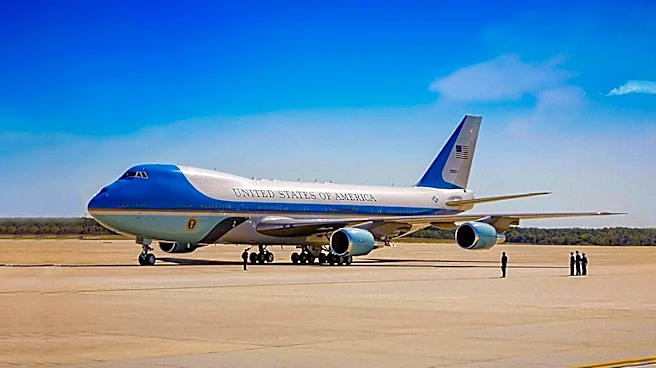
assault on the most fundamental First Amendment freedoms' and violates due process. They claim the administration has inconsistently enforced the ban, citing an instance where CNN was barred from joining President Trump on Air Force One despite being the assigned TV pool member. While the administration initially cited national security concerns, the outlets contend that President Trump and other officials have repeatedly justified the ban based on their dislike of the organizations' coverage, describing it as 'one-sided media coverage' and 'negative reporting.' A previous temporary restraining order by US District Judge Tim Kelly restored their press badges for two weeks, but the news organizations fear the ban will be reinstituted once the order expires.
Why It's Important?
This legal challenge is significant as it directly confronts the executive branch's power to control press access to the White House, raising fundamental questions about the First Amendment and freedom of the press in the United States. The outcome could establish a precedent for how future administrations interact with news organizations they deem critical. If the ban is upheld, it could embolden government officials to restrict access for journalists whose reporting they dislike, potentially chilling investigative journalism and limiting the public's access to diverse information. Conversely, a ruling in favor of the news organizations would reinforce the constitutional protections afforded to the press, underscoring their role in holding power accountable. The dispute highlights the ongoing tension between the administration and certain media outlets, impacting the transparency of government operations and the public's perception of media credibility.
What's Next?
The news organizations are seeking a preliminary injunction to maintain their access to the White House while the lawsuit proceeds. The current temporary restraining order is set to expire, making the judge's decision on the injunction critical. The Trump administration has until Friday to respond to the latest filing, and the outlets will submit a final written brief by next Monday. Judge Kelly has indicated he will schedule a hearing and rule 'expeditiously.' A preliminary injunction would likely set the stage for an appeal by the Trump administration, potentially prolonging the legal battle. The case could ultimately reach higher courts, further shaping the legal landscape for press access and First Amendment rights in the context of government relations.
Beyond the Headlines
Beyond the immediate legal and political implications, this case delves into the evolving relationship between the presidency and the press in a highly polarized media environment. The administration's justification for the ban, shifting from national security to a dislike of 'negative reporting,' underscores a broader debate about media bias and the role of journalism in a democratic society. The inconsistent application of the ban, as alleged by the news organizations, also raises concerns about arbitrary decision-making and potential retaliation against critical reporting. This situation could contribute to a decline in public trust in both government and media institutions, as the lines between legitimate criticism and perceived 'fake news' become increasingly blurred. The long-term impact could be a redefinition of press freedom and access in the digital age, with potential consequences for how information is disseminated and consumed by the American public.