



What's Happening?
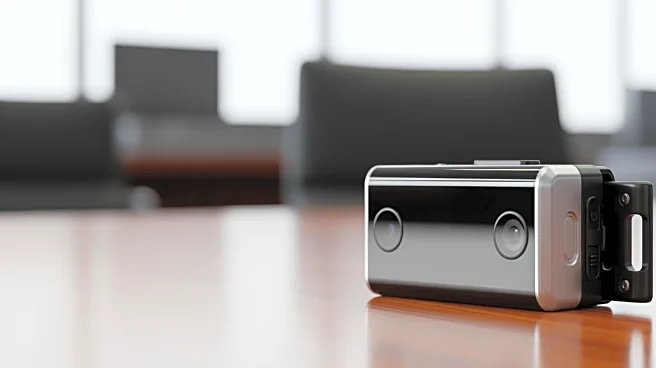
Secretary Kristi Noem announced that all Homeland Security officers in Minneapolis will be issued body-worn cameras, with plans for nationwide expansion. This decision follows the shooting deaths of two U.S. citizens by federal agents during immigration
enforcement operations, which sparked protests and demands for accountability. The announcement comes amid a congressional battle over Department of Homeland Security funding, with Democrats pushing for changes to immigration enforcement policies. The use of body cameras is seen as a measure to increase transparency and accountability in law enforcement activities.
Why It's Important?
The implementation of body cameras for Homeland Security officers is a significant step towards enhancing transparency and accountability in federal law enforcement. The move addresses public concerns about the use of force and the need for oversight in immigration enforcement operations. Body cameras can provide critical evidence in cases of alleged misconduct, potentially reducing instances of excessive force and improving public trust. The decision also reflects broader debates over law enforcement practices and the balance between security and civil liberties.
What's Next?
The rollout of body cameras will be closely monitored to assess its impact on law enforcement practices and public perceptions. The effectiveness of body cameras in preventing misconduct and ensuring accountability will be evaluated, potentially influencing future policy decisions. The ongoing funding debate in Congress may affect the pace and scope of the body camera program's expansion. Additionally, the Justice Department's investigation into the recent shootings may lead to further scrutiny of Homeland Security's operations and policies.