





What's Happening?
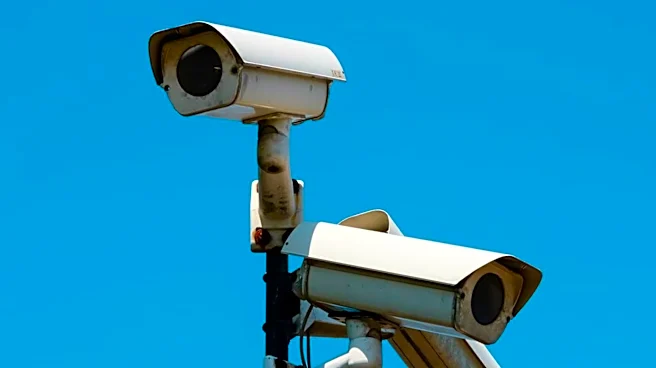
Las Cruces Police Chief Jeremy Story defended the use of Flock cameras, automatic license plate readers, to New Mexico lawmakers on the interim Courts, Corrections and Justice Committee. His department utilizes 43 such cameras across the city, which he stated
have been instrumental in solving various criminal cases, including homicides and a bank robbery. Chief Story demonstrated the technology's limitations by showing lawmakers photos of his own vehicle captured by Flock cameras, challenging them to determine his movements or who was in the car, to illustrate that the cameras do not provide comprehensive personal tracking. This presentation comes after Democratic Governor Michelle Lujan Grisham signed the Driver Privacy and Security Act in March, which restricts law enforcement from using data from these readers for investigations related to 'protected healthcare activities,' public demonstrations, or immigration status.
Why It's Important?
The debate over Flock cameras in New Mexico highlights a national tension between law enforcement's need for investigative tools and citizens' constitutional privacy protections. While Chief Story emphasizes the cameras' value in solving serious crimes, critics, including civil rights groups and some lawmakers, express concerns about potential abuses and the erosion of privacy. The Driver Privacy and Security Act reflects a legislative effort to balance these interests, particularly in sensitive areas like healthcare and immigration. The controversy is further fueled by instances in other states, such as Texas, where Flock data was allegedly used to track a woman seeking an abortion, and federal agencies like ICE accessing data through local law enforcement. This ongoing discussion impacts public trust in law enforcement and shapes the future of surveillance technology regulation across the U.S.
What's Next?
The discussion within the interim Courts, Corrections and Justice Committee suggests that legislative scrutiny of Flock cameras and similar surveillance technologies will continue in New Mexico. Lawmakers, like interim committee Chair Rep. Christine Chandler, remain unconvinced by Chief Story's assurances, particularly regarding the potential for misuse, such as creating 'fake case numbers' to access data. This indicates that further legislative action or stricter oversight might be considered to enhance privacy protections and prevent potential abuses. The ongoing national debate, coupled with local concerns, could lead to more comprehensive state-level regulations on the deployment and use of automatic license plate readers. Law enforcement agencies may face increased pressure to demonstrate clear protocols and safeguards to ensure these technologies are used responsibly and within legal boundaries.
Beyond the Headlines
The controversy surrounding Flock cameras delves into fundamental questions about the nature of privacy in an increasingly surveilled society. The technology's ability to passively collect vast amounts of location data on vehicles raises concerns about the creation of a comprehensive surveillance network that could track individuals' movements without their knowledge or consent. This has profound implications for civil liberties, potentially chilling free speech and assembly if individuals fear being tracked during protests or other public activities. The ethical dilemma lies in balancing public safety with individual rights, especially when the technology's capabilities outpace existing legal frameworks. The debate also touches on the commercialization of surveillance, as private companies like Flock provide these tools to law enforcement, raising questions about data ownership, access, and accountability. This ongoing tension will likely shape future legal precedents and societal norms regarding digital surveillance.