






What's Happening?
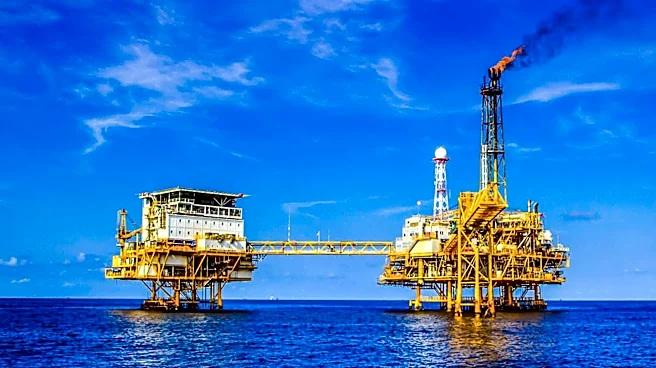
Global inflation fears are resurfacing as oil prices surpass $100 per barrel and new U.S. tariffs are introduced. The energy price surge, driven by geopolitical tensions in the Middle East, is expected to impact consumer prices and economic stability.
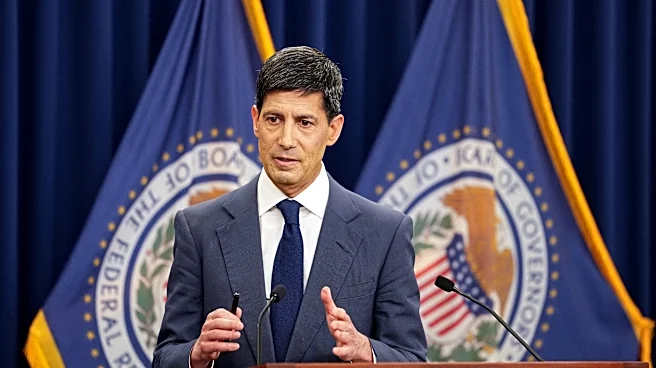
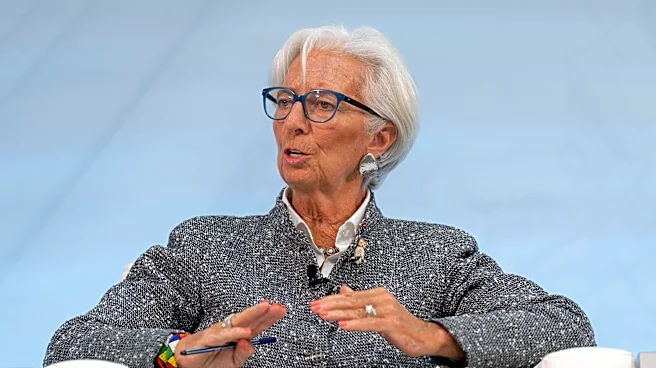
President Trump's administration has announced new tariffs on imports from major trading partners, further contributing to inflationary pressures. Central banks, including the Federal Reserve and the European Central Bank, are closely monitoring these developments as they prepare for upcoming policy meetings.
Why It's Important?
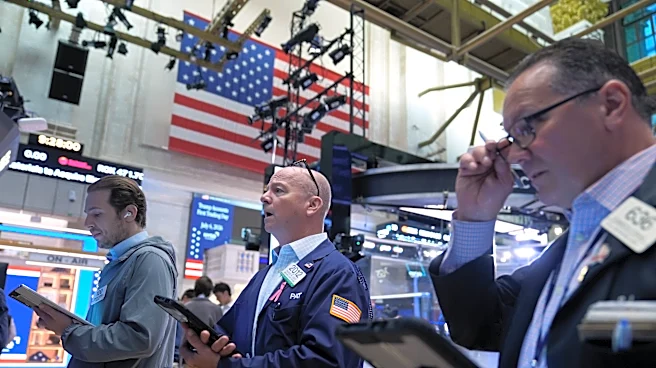
The combination of rising energy prices and new tariffs poses significant inflationary risks, potentially affecting global economic growth and stability. Central banks may need to adjust monetary policies to address these challenges, impacting interest rates and financial markets. The situation highlights the influence of geopolitical events on economic conditions and the interconnectedness of global markets. The response of policymakers will be critical in managing inflationary pressures and supporting economic recovery.
What's Next?
Central banks will need to assess the impact of rising energy prices and tariffs on inflation and economic growth. Potential policy adjustments may be required to address these challenges and support economic stability. The situation underscores the importance of international cooperation in addressing global economic issues. The response of governments and central banks will be closely watched by investors and economic stakeholders.