
What's Happening?
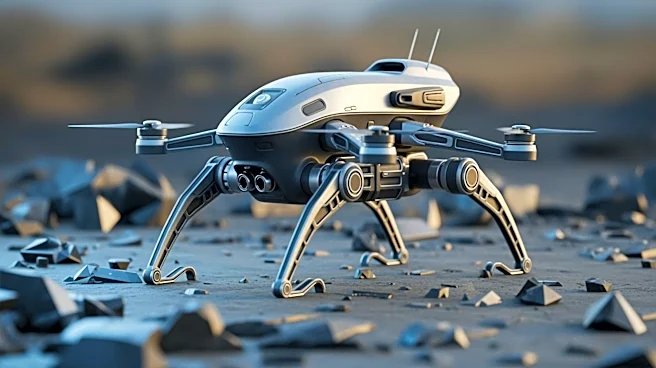
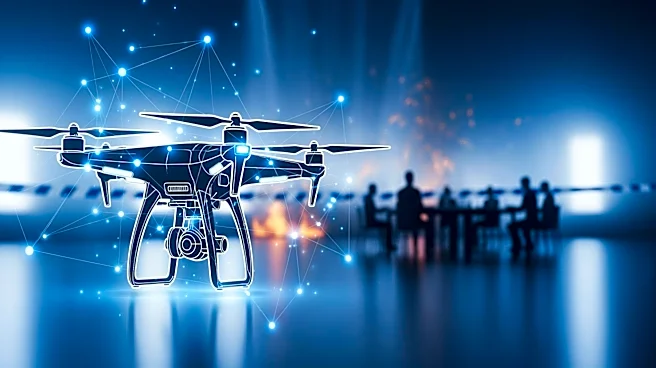
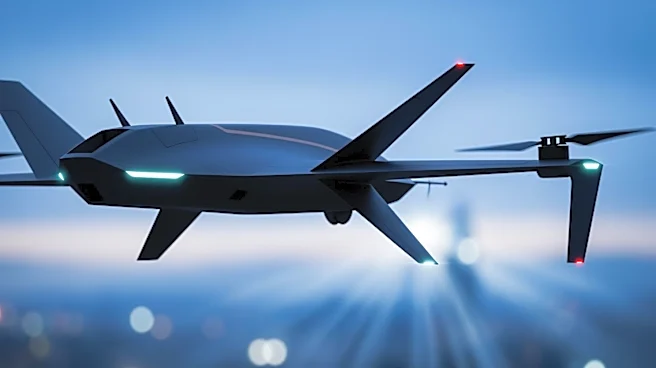
In recent conflicts, small explosive-laden first-person-view (FPV) drones have emerged as a significant threat to large military forces, including those of the United States. These drones, which can be
purchased online and equipped with small explosive charges, pose a challenge to well-equipped armies by disrupting operations and threatening personnel and equipment. This form of asymmetric warfare mirrors the impact of improvised explosive devices (IEDs) used in Iraq and Afghanistan, which forced the U.S. military to adapt its strategies. Israeli companies are at the forefront of developing countermeasures to these drone threats, leveraging their expertise in defense technologies.
Why It's Important?
The rise of FPV drones highlights a shift in military strategy, where inexpensive and easily accessible technology can challenge traditional military power. This development forces militaries to innovate in defense tactics, focusing on electronic warfare, early detection, and low-cost interception methods. The economic and operational implications are significant, as large investments in traditional military hardware may be undermined by these low-cost threats. Israeli firms, known for their technological innovation, are positioned to lead in developing solutions, potentially influencing global defense strategies and markets.
What's Next?
As the threat from FPV drones continues to grow, military forces worldwide will likely increase investments in counter-drone technologies. This could lead to new partnerships and collaborations between defense companies and military organizations. The ongoing development of advanced detection and interception systems will be crucial in maintaining military effectiveness against these emerging threats. Additionally, regulatory and policy changes may be necessary to address the proliferation of drone technology and its implications for national security.