






What's Happening?
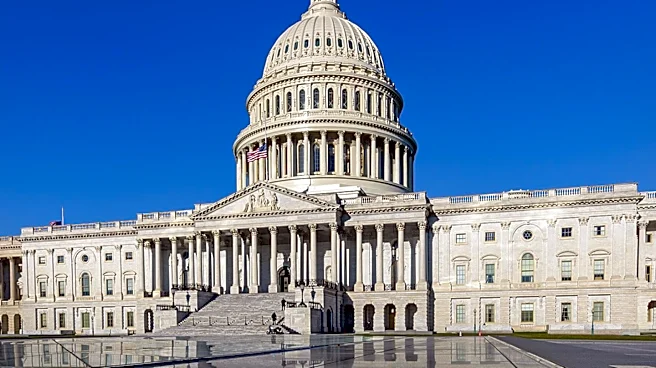
U.S. Senator Peter Welch (D-Vt.) has introduced legislation aimed at increasing the adoption of microgrids across the United States. This initiative comes as the nation's electrical transmission system faces growing strain from increasing energy demands
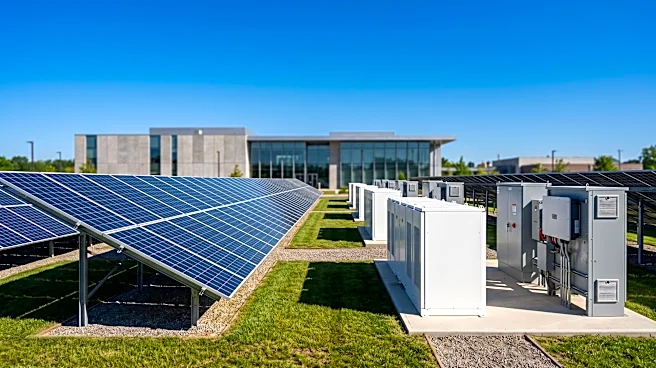
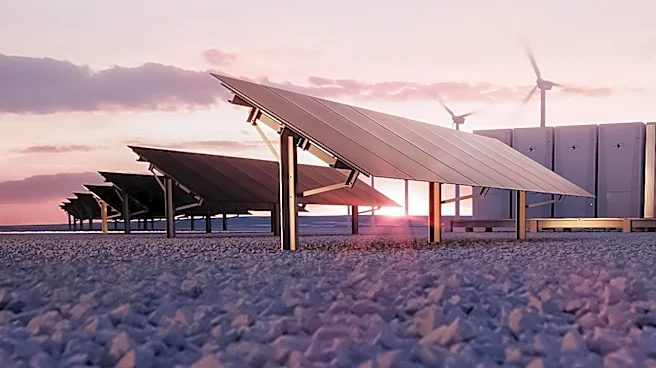
and the escalating frequency of extreme weather events. The proposed bill seeks to allocate $700 million towards microgrid development. Additionally, it encourages regulators to streamline the interconnection process for localized, independent grids. The legislation also includes provisions for providing technical assistance to utilities and government entities engaged in grid resilience projects. Microgrids are small power networks that generate, store, and consume electricity within a relatively confined space, offering an alternative to traditional centralized power grids. These systems can operate independently or connect to the larger utility grid, drawing power when needed. The push for microgrids is gaining traction in areas prone to natural disasters, with over 5,000 microgrids currently in operation across the U.S.
Why It's Important?
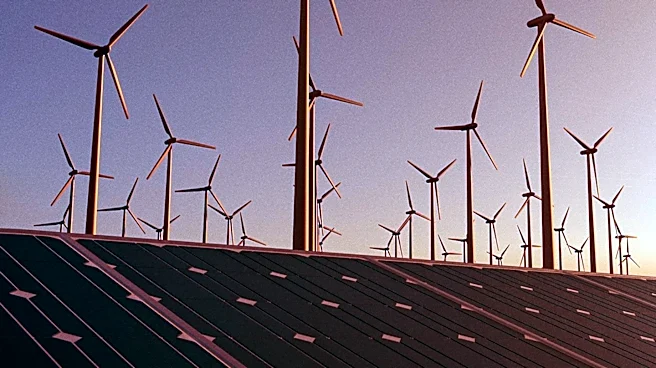
The increasing strain on the U.S. electrical grid due to rising energy consumption and more frequent extreme weather events poses significant risks to national infrastructure and public safety. Widespread power outages can disrupt essential services, impact businesses, and endanger vulnerable populations. Senator Welch's bill addresses this critical vulnerability by promoting microgrids, which offer enhanced energy resilience and reliability. By decentralizing power generation and storage, microgrids can provide continuous power during large-scale grid failures, mitigating the economic and social costs associated with blackouts. This legislation could stimulate investment in renewable energy sources often integrated into microgrids, fostering innovation and job creation in the energy sector. Furthermore, by providing technical assistance and streamlining regulatory processes, the bill aims to accelerate the deployment of these crucial systems, protecting communities and critical infrastructure from the impacts of climate change and an aging grid.
What's Next?
The proposed bill will now proceed through the legislative process in Congress. Its passage would unlock significant federal funding and regulatory support for microgrid projects nationwide. If enacted, the $700 million allocation would likely spur a wave of new microgrid developments, particularly in regions most susceptible to power disruptions. Utilities and local governments would be incentivized to invest in these systems, potentially leading to a more robust and decentralized energy infrastructure. The emphasis on streamlining interconnection processes could reduce bureaucratic hurdles, accelerating project timelines and making microgrids more accessible for communities and businesses. Stakeholders, including energy companies, technology providers, and local communities, will closely monitor the bill's progress, as its outcome will significantly influence the future landscape of energy resilience and infrastructure development in the U.S.
Beyond the Headlines
Beyond immediate energy resilience, the widespread adoption of microgrids, as encouraged by Senator Welch's bill, could catalyze a fundamental shift in the U.S. energy paradigm. It promotes a more distributed and localized energy system, reducing reliance on large, centralized power plants and long-distance transmission lines, which are often vulnerable to physical and cyber threats. This decentralization could empower local communities with greater control over their energy supply, fostering energy independence and potentially leading to more sustainable and environmentally friendly energy practices. The integration of diverse energy sources, including renewables, within microgrids could also drive technological advancements in energy storage and smart grid management. Over the long term, this initiative could contribute to a more secure, efficient, and adaptable national energy infrastructure, better equipped to meet future challenges posed by climate change and evolving energy demands.