







What's Happening?
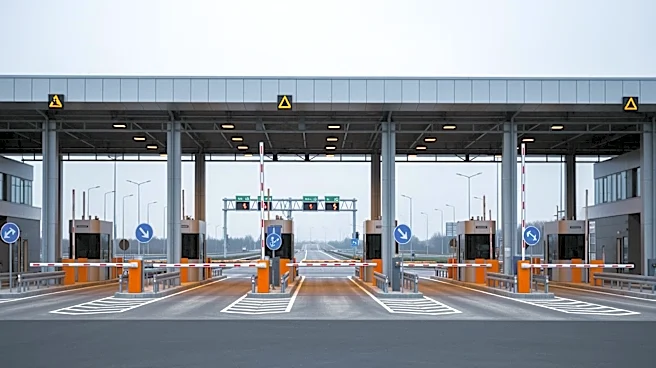
Cross-border travel from British Columbia to Washington State has significantly decreased, with a 55% drop at major U.S. entry points over the past two years. The Aldergrove-Lynden crossing alone saw a 31% decline in March compared to the previous year.
This trend is attributed to safety concerns among Canadians, who are reportedly avoiding U.S. travel due to aggressive tactics by ICE officers. As a result, the U.S. Travel Association forecasts a 3.2% decline in international tourism spending, potentially risking 14,000 American jobs. Meanwhile, domestic tourism in Canada has increased by 6%, and Canadian travel to Mexico has surged by 12%.
Why It's Important?
The decline in cross-border travel from Canada to the U.S. poses significant economic challenges, particularly for the tourism industry in border states like Washington. The projected $5.7 billion loss in tourism spending could have widespread implications, affecting local businesses and employment. The shift in Canadian travel preferences towards domestic destinations and Mexico highlights changing consumer behavior, possibly influenced by geopolitical tensions and safety concerns. This trend underscores the need for U.S. tourism sectors to adapt strategies to mitigate the impact of reduced Canadian visitors.
What's Next?
If the current travel trends continue, U.S. border states may need to explore new strategies to attract international visitors or bolster domestic tourism to offset losses. Additionally, addressing safety concerns and improving diplomatic relations could be crucial in reversing the decline in Canadian travel to the U.S. The tourism industry might also consider diversifying its target markets to reduce dependency on Canadian visitors.