
What's Happening?
A recent national survey by Orlando Health, released on November 12, indicates that nearly 60% of U.S. adults are more concerned about foodborne illness this year compared to previous years. This heightened
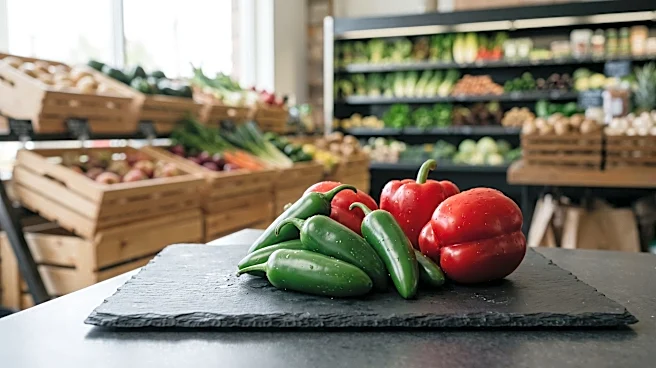
anxiety comes just two weeks before Thanksgiving, following a year marked by several high-profile foodborne outbreaks and recalls. Orlando Health characterized 2026 as an "unusually severe and active year for food safety issues." This sentiment is echoed by a Gallup poll from October, which found that Americans' confidence in the safety of grocery store food dropped to a record low of 65%, and 73% reported avoiding certain foods due to recalls or advisories in the past year, a significant increase from 53% in 2024. Notable incidents contributing to this concern include the largest Cyclospora outbreak in U.S. history, affecting over 12,000 people in 21 states, and a Salmonella outbreak linked to jalapeño peppers.
Why It's Important?
The increased public concern about foodborne illness has significant implications for consumer behavior, the food industry, and public health initiatives, especially during the holiday season. With Thanksgiving approaching, a time when large family gatherings often involve diverse food preparations, the potential for widespread illness from contaminated food is amplified. The survey highlights a practical worry for hosts, as holiday meals often include vulnerable populations such as young children, older adults, and pregnant relatives, who are more susceptible to severe illness from foodborne pathogens. This erosion of consumer confidence could lead to changes in purchasing habits, increased demand for transparent food sourcing, and greater scrutiny of food safety practices by both consumers and regulatory bodies. For the food industry, maintaining and rebuilding trust will be crucial, potentially driving investments in advanced food safety technologies and clearer labeling.
What's Next?
As the Thanksgiving holiday approaches, health organizations and government agencies are likely to intensify their public awareness campaigns regarding safe food handling practices. The USDA has already provided guidance on thawing and cooking turkeys, emphasizing proper temperatures and avoiding cross-contamination. Consumers are advised to check recall lists at FoodSafety.gov before shopping. The ongoing investigations into current outbreaks, such as the Salmonella Javiana and Enteritidis cases, will continue, with efforts to identify the sources of contamination. The heightened public awareness may also lead to increased reporting of suspected food poisoning cases, which can aid investigators in connecting cases and identifying outbreaks more quickly. Food establishments and home cooks alike will face increased pressure to adhere to stringent food safety protocols to prevent illnesses.
Beyond the Headlines
The rising concern over foodborne illnesses reflects a broader societal shift towards greater awareness of food safety and the interconnectedness of the global food supply chain. The ability of genetic testing to link previously undetected scattered illnesses means that more outbreaks are being identified, which, while alarming, also indicates an improved surveillance system. However, this also places a greater burden on consumers to stay informed and on food producers to ensure safety. The psychological impact of frequent recalls and outbreaks can lead to 'food fatigue,' where consumers become overwhelmed or distrustful of the food system. This situation could also spur innovation in food safety technologies, from farm to fork, and potentially influence policy discussions around food regulation and enforcement, aiming for a more resilient and safer food supply for all U.S. citizens.