




What's Happening?
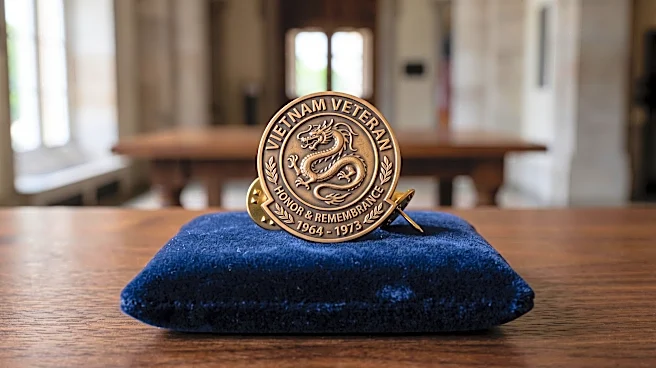
Congressman Joe Morelle recently recognized local Vietnam Veterans in Rochester, N.Y., by presenting them with the Vietnam War Commemoration Lapel Pin. This event was held to express the community's appreciation for their service and sacrifice. Morelle highlighted
that many Vietnam veterans returned home without the gratitude and recognition they deserved, and this ceremony aimed to rectify that historical oversight. He emphasized that the lapel pins symbolize a lasting promise that their courage, dedication, and sacrifice will not be forgotten. Among the honored veterans were individuals from various branches of the U.S. Armed Forces, including the Marine Corps, Army, Air Force, and Navy.
Why It's Important?
This act of recognition by Congressman Morelle is significant as it addresses a historical injustice faced by many Vietnam veterans, who often did not receive a warm welcome upon their return home. Honoring these veterans serves as a powerful reminder of the sacrifices made by service members and reinforces the nation's commitment to its military personnel. Such events contribute to healing and reconciliation for veterans and their families, fostering a sense of belonging and appreciation within their communities. It also sets a precedent for how future generations of veterans are treated, emphasizing the importance of acknowledging their service regardless of public sentiment towards specific conflicts. This initiative underscores the ongoing effort to ensure that all veterans receive the respect and gratitude they have earned.
Beyond the Headlines
Beyond the immediate act of honoring veterans, this event reflects a broader societal shift in how the U.S. acknowledges and supports its military. The Vietnam War era was marked by significant social and political division, leading to a challenging homecoming for many service members. The ongoing efforts to commemorate and appreciate Vietnam veterans, decades later, highlight a collective societal learning curve regarding the separation of policy from personnel. This initiative also serves as a cultural touchstone, reminding the public of the human cost of war and the enduring impact on those who serve. It encourages a more empathetic and supportive approach to all veterans, fostering a culture of respect and gratitude that transcends political differences and historical contexts.