
What's Happening?
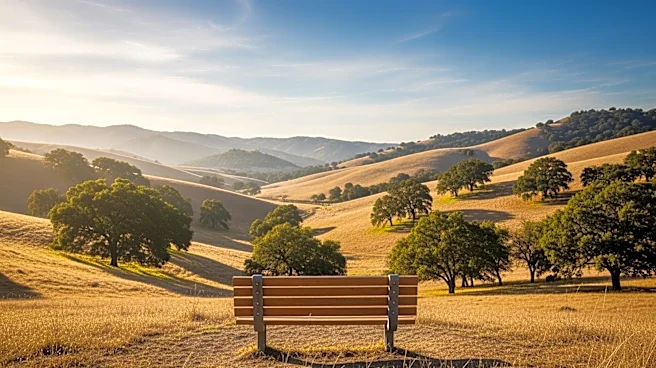
California is planning to expand its state park system by adding three new parks in the Central Valley, a region historically underserved in terms of park space. Governor Gavin Newsom announced the initiative
on Earth Day, highlighting the state's commitment to increasing outdoor access and recreational opportunities. The proposed parks include Feather River Park in Yuba County, San Joaquin River Parkway in Fresno and Madera counties, and Dust Bowl Camp in Bakersfield. This expansion aims to enhance the state's park system, which already boasts 283 parks, the most in the United States. The new parks will provide various amenities, including boat launches, riverside beaches, and historical sites, while also preserving significant cultural and historical landmarks.
Why It's Important?
The expansion of California's state parks is significant as it addresses the lack of recreational spaces in the Central Valley, promoting environmental conservation and community well-being. By increasing access to natural spaces, the initiative supports public health and provides educational opportunities about the region's history and ecology. The new parks are expected to attract more visitors, boosting local economies and fostering tourism. Additionally, the preservation of historical sites like the Dust Bowl Camp highlights the state's commitment to honoring its cultural heritage. This move aligns with broader efforts to expand California's park system by 30,000 acres by 2030, reflecting a strategic investment in the state's natural resources and public spaces.
What's Next?
The California State Parks department will begin the planning and acquisition process for the new parks, which are on publicly held lands and can be acquired at minimal cost. A public engagement process will also be initiated to gather input from local communities, ensuring that the parks meet the needs and expectations of residents. As the state moves forward with this expansion, it will likely face challenges related to funding, environmental impact assessments, and infrastructure development. However, the initiative is expected to proceed with strong public support, given the potential benefits for recreation, conservation, and cultural preservation.