





What's Happening?
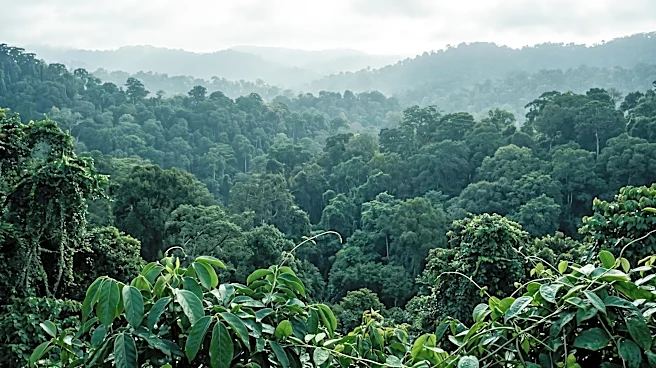
Brazil has reinstated visa requirements for travelers from the United States, Canada, and Australia, effective April 10, 2025, ending six years of visa-free entry. U.S. citizens heading to the Brazilian Amazon will now need an eVisa, which costs 80.9
U.S. dollars and permits a stay of up to 90 days. This change is based on reciprocity, as these countries still require visas for Brazilian nationals. Travelers must present a printed eVisa to board their flights. Additionally, while not mandatory for entry, the Brazilian Ministry of Health and the CDC strongly recommend that tourists be up-to-date on several vaccines, including the yellow fever vaccine, especially for those visiting states like Amazonas and Pará. Vaccination should occur at least 10 days before travel to build peak immunity, as Peru has reported a significant increase in yellow fever cases in 2025.
Why It's Important?
The reinstatement of visa requirements for U.S. travelers to Brazil, particularly for those visiting the Amazon, has significant implications for travel planning and the tourism industry. It adds an extra layer of bureaucracy and cost, which could potentially deter some travelers and impact tourism revenue for Brazil. For U.S. citizens, it necessitates careful pre-trip planning to ensure all visa requirements are met, avoiding last-minute complications. The strong recommendation for the yellow fever vaccine, coupled with rising case numbers in the region, underscores critical public health concerns. This highlights the importance of consulting travel health advisories and taking preventative measures to protect individual health and prevent the spread of infectious diseases, which can have broader public health and economic consequences if outbreaks occur.
What's Next?
U.S. travelers planning trips to the Brazilian Amazon after April 10, 2025, must apply for an eVisa well in advance of their departure. Travel agencies and airlines will need to update their guidance to inform passengers of the new visa requirements. Health authorities, including the CDC, will likely continue to emphasize the importance of yellow fever vaccination and other health precautions for travelers to the Amazon region. The Brazilian government may monitor the impact of these new visa rules on tourism numbers and could adjust policies in the future. Travelers should also stay informed about the current water levels in the Amazon, as these can significantly affect available activities and wildlife sightings.
Beyond the Headlines
The reintroduction of visa requirements by Brazil reflects a broader trend in international relations where countries often implement reciprocal travel policies. This move could influence diplomatic discussions and potentially lead to similar actions by other nations. From a public health perspective, the emphasis on yellow fever vaccination highlights the ongoing challenges of managing infectious diseases in regions with unique ecological characteristics. It also underscores the responsibility of travelers to be informed and proactive about their health, especially when visiting areas with specific health risks. This situation could also prompt a re-evaluation of travel insurance policies to ensure they cover potential medical emergencies related to tropical diseases, adding another layer of consideration for international travelers.