






What's Happening?
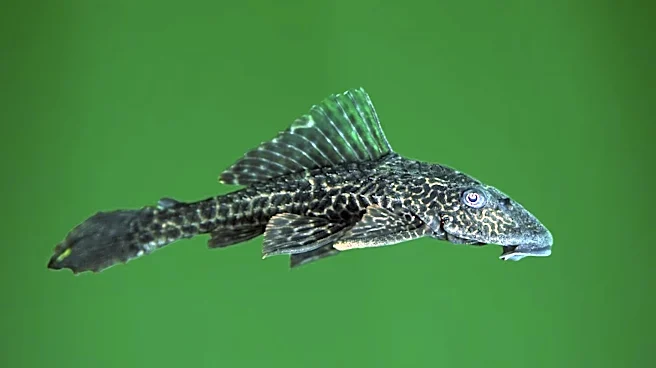
An international team of researchers has identified a transmissible melanoma in the brown catfish (Ameiurus nebulosus), marking the first documented case of such a cancer in fish and in a freshwater ecosystem. The discovery was made after an unusually
high number of catfish with black lesions were found in Lake Memphremagog, a body of water between Vermont and Quebec. Initial suspicions pointed to environmental factors like pollution, but genetic analyses revealed that the tumors shared a genetic identity distinct from their hosts, indicating a transmissible clonal cancer. This finding suggests that the tumors may have originated from a single cancer that learned to spread among individual fish.
Why It's Important?
The discovery of a contagious cancer in catfish opens new avenues for cancer research, particularly in understanding how cancers can survive and spread outside their original hosts. This could provide insights into cancer containment and the breakdown of these boundaries, potentially informing human cancer research. The phenomenon also raises environmental concerns, as the lake supplies drinking water to over 175,000 people. Understanding the mechanisms behind this transmissible cancer could lead to better management of similar risks in other ecosystems and species.
What's Next?
Further research is needed to understand the mechanisms that allow this cancer to spread among catfish and to assess the potential risks to other species and ecosystems. Scientists may explore whether similar transmissible cancers exist in other aquatic environments and what environmental factors might contribute to their spread. This could lead to broader studies on the impact of environmental changes on cancer development in wildlife.