





What's Happening?
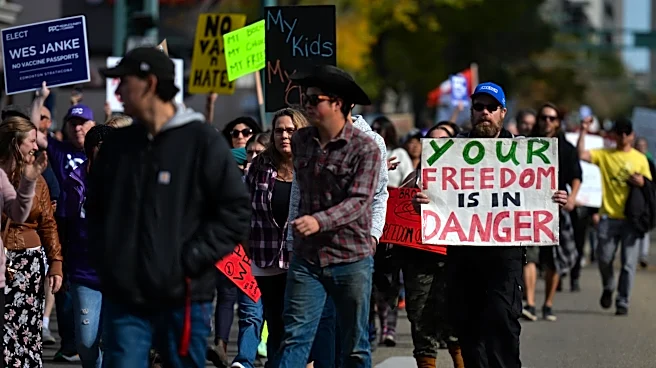
The Clamshell Alliance, an anti-nuclear group, recently protested a pro-nuclear gathering of northeastern governors at UMass Lowell in Massachusetts. The protest, which included about three dozen anti-nuclear and pro-democracy activists from New Hampshire,
Vermont, and Massachusetts, aimed to voice opposition to the promotion of next-generation nuclear power in the Northeast. The governors had been invited to attend a conference advocating for nuclear energy, though none of the governors, including Massachusetts Governor Maura Healey, ultimately attended, sending aides instead. This event echoes past anti-nuclear movements from the 1970s and 80s, which focused on stopping the construction of the Seabrook nuclear plant and decommissioning the Vermont Yankee reactor. The protest highlighted concerns about nuclear safety, waste disposal, and the economic viability of nuclear power, particularly in light of recent studies linking proximity to nuclear reactors with increased cancer fatalities.
Why It's Important?
This protest underscores ongoing debates in the U.S. regarding energy policy, public health, and environmental safety. The re-emergence of the Clamshell Alliance and similar groups signals persistent public concern over nuclear power, even as some political figures advocate for its expansion. The mention of a White House order for the Department of War to construct nuclear reactors on Army bases, exempt from typical regulatory oversight, raises questions about federal energy strategy and its potential impact on local communities and environmental standards. Furthermore, the cited Harvard studies, which suggest a correlation between living near nuclear reactors and increased cancer fatalities, could significantly influence public opinion and policy decisions regarding nuclear energy development and regulation across the nation. The economic implications of nuclear power, including high costs and slow deployment, are also central to the debate, affecting taxpayers and energy consumers.
What's Next?
The continued activism by anti-nuclear groups suggests that the debate over nuclear power in the U.S. is far from settled. Future actions may include further protests, lobbying efforts, and public awareness campaigns aimed at influencing state and federal energy policies. The findings from the Harvard studies on cancer fatalities near nuclear sites could prompt calls for more rigorous health impact assessments and potentially lead to new regulatory measures or legal challenges against existing or proposed nuclear facilities. The federal government's push for military nuclear reactors, and their exemption from standard oversight, could also face increased scrutiny and opposition from environmental and public health advocates. The ongoing discussion will likely involve a complex interplay between economic interests, environmental concerns, and public safety considerations, shaping the future of nuclear energy in the U.S.
Beyond the Headlines
The renewed anti-nuclear sentiment, as demonstrated by the Clamshell Alliance's protest, points to deeper societal concerns about technological risks and governmental accountability. The historical context of anti-nuclear movements highlights a recurring tension between technological advancement and public welfare. The claim that military nuclear reactors would be exempt from Nuclear Regulatory Commission oversight raises significant ethical and legal questions about transparency and public protection. This situation could set a precedent for other industries where national security interests might override environmental and safety regulations. The broader implication is a potential shift in how the U.S. balances energy needs with public health and environmental protection, possibly leading to increased demands for community involvement and stricter oversight in energy infrastructure projects, particularly those involving nuclear technology.