
What's Happening?
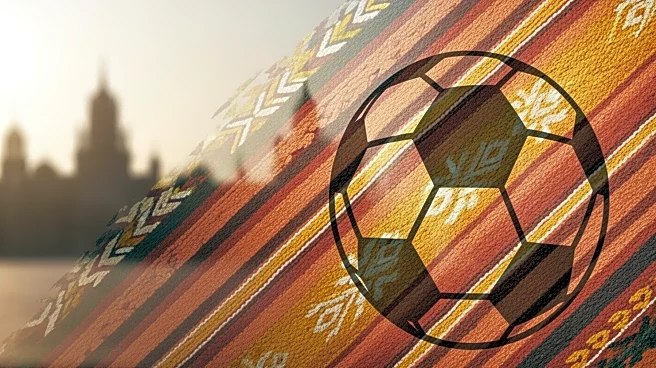
As Mexico City prepares to host the 2026 FIFA World Cup, the city is launching an ambitious cultural program to accompany the event. Mayor Clara Brugada announced that over 1,000 murals will be painted
across the city, inspired by the Mesoamerican ritual ball game. This initiative is part of a broader effort to transform the city into a 'big canvas' and enhance its cultural landscape. Renovations are underway at 12 museums and 46 archaeological sites, including Teotihuacan, to accommodate the expected influx of over 5 million visitors. The Museo Jumex will host an exhibition titled 'Football & Art. A Shared Emotion,' featuring a participatory installation by the Mexican collective Tercerunquinto. Despite the excitement, the World Cup faces challenges such as high ticket prices and logistical issues.
Why It's Important?
The cultural initiatives surrounding the 2026 FIFA World Cup in Mexico City highlight the intersection of sports and culture, aiming to enrich the visitor experience and promote local heritage. By investing in public art and museum renovations, the city seeks to boost tourism and showcase its rich cultural history. The murals and exhibitions provide a platform for local artists and contribute to the city's identity as a cultural hub. However, the event also presents challenges, including managing the large number of visitors and addressing concerns over accessibility and affordability. The success of these initiatives could set a precedent for future international events hosted in Mexico.
What's Next?
As the World Cup approaches, Mexico City will continue its preparations, focusing on completing renovations and finalizing cultural programs. The city will need to address logistical challenges and ensure that the event is accessible to a diverse audience. Stakeholders, including local artists, cultural institutions, and government agencies, will play a crucial role in executing the planned initiatives. The impact of these efforts will be closely monitored, with potential adjustments made to enhance visitor experience and cultural engagement. The success of the World Cup could influence future cultural and sporting events in Mexico, shaping the country's international reputation.