



What's Happening?
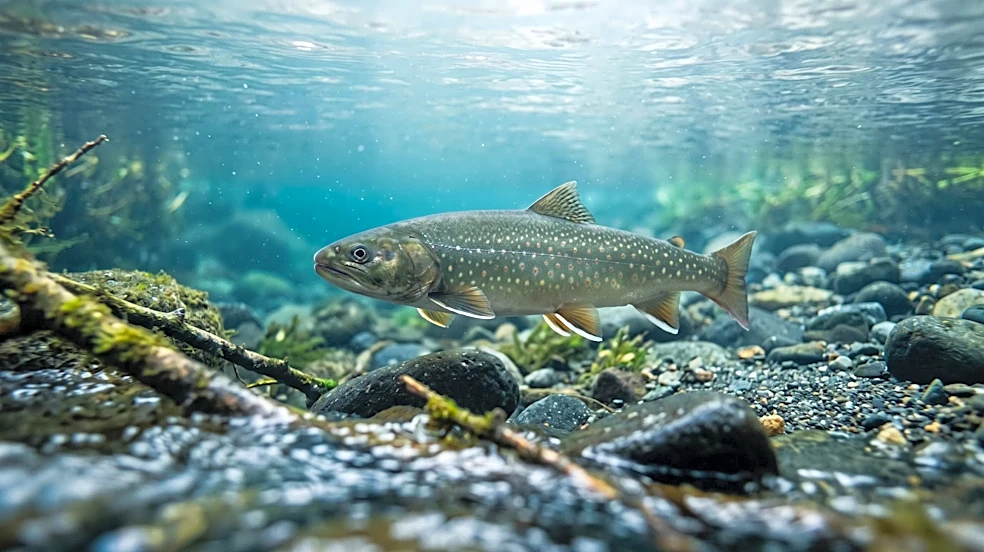
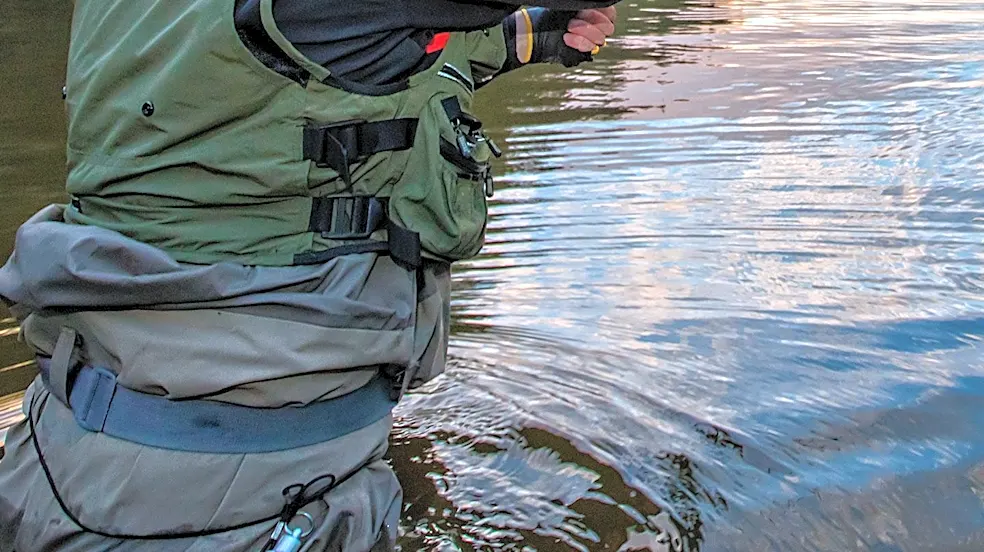
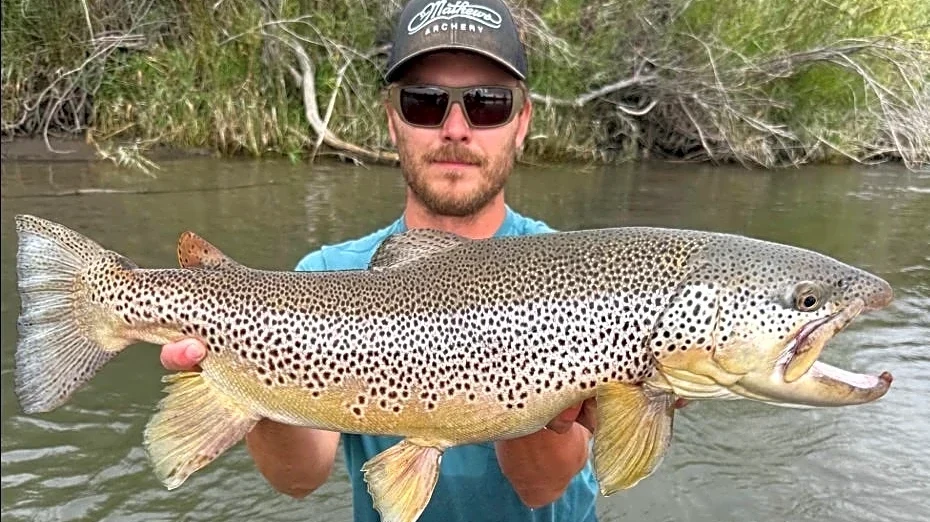
Upstate and Western New York rivers, including the Salmon River, Oak Orchard Creek, and Niagara River, are reporting significant fishing activity for king salmon, brown trout, and steelhead. The Salmon River remains abundant with king salmon, particularly
upriver from 2A to Altmar, where large groups are found on spawning gravel. Oak Orchard Creek is producing brown trout, with many anglers reporting success, and the Niagara River continues to offer salmon, bass, and walleye. Following recent heavy rains, king salmon in the Oswego River have moved towards the dam, leading to successful angling. Anglers are advised to use salmon egg imitations for trout, especially downstream of salmon spawning areas. There are reminders about fishing limits, specifically one brown trout and one steelhead at 25 inches, with a total limit of three fish in combination. The weather forecast indicates fair, warm, and clear conditions, which are expected to maintain cool water temperatures, keeping salmon in good condition.
Why It's Important?
The robust fishing activity in Upstate and Western New York rivers is important for several reasons. Economically, it supports local tourism and businesses, including bait shops, charter services, and accommodations, as anglers travel to these popular fishing destinations. The health of these fish populations, particularly salmon and trout, indicates a relatively stable aquatic ecosystem, which is crucial for environmental conservation efforts. However, reports of anglers exceeding limits highlight ongoing challenges in resource management and the need for continued education and enforcement to prevent overfishing and ensure sustainable practices. The consistent presence of diverse fish species like salmon, trout, bass, and walleye underscores the ecological value of these waterways and their contribution to regional biodiversity. The success of fishing also provides recreational opportunities for residents and visitors, contributing to local quality of life and outdoor leisure activities.
What's Next?
Anglers can anticipate continued strong fishing conditions in the coming weeks, particularly for brown trout, which are expected to remain active through November and into December. The fair and dry weather forecast suggests that water levels in rivers like the Oak Orchard Creek may retreat towards medium, and other smaller tributaries might see moderate and clearer flows. The Canal water feed program is expected to prevent waterways from becoming too low and clear, which is beneficial for fishing. Fishing pressure is currently concentrated at the dam on the Oak Orchard, but as action becomes more consistent in smaller waterways, anglers may spread out. Authorities will likely continue to monitor fishing limits and enforce regulations to ensure sustainable practices, especially given recent reports of anglers exceeding limits. The ongoing presence of salmon and trout will likely attract more anglers, further boosting local economies dependent on fishing tourism.
Beyond the Headlines
The sustained fishing success in these New York rivers points to a broader ecological dynamic where natural cycles, such as salmon spawning migrations, are interacting with environmental factors like rainfall and water temperatures. The emphasis on using salmon egg imitations for trout fishing highlights the interconnectedness of species within the ecosystem, as trout often feed on eggs dislodged from salmon beds. The challenge of anglers exceeding limits underscores the ethical dimension of recreational fishing and the constant tension between individual pursuit and collective resource conservation. This situation also reflects the effectiveness of state-level fisheries management and conservation programs, which aim to balance recreational opportunities with the long-term health of fish populations. The continued monitoring of water conditions and fish behavior provides valuable data for understanding and adapting to environmental changes, ensuring the resilience of these vital aquatic habitats for future generations.