





What's Happening?
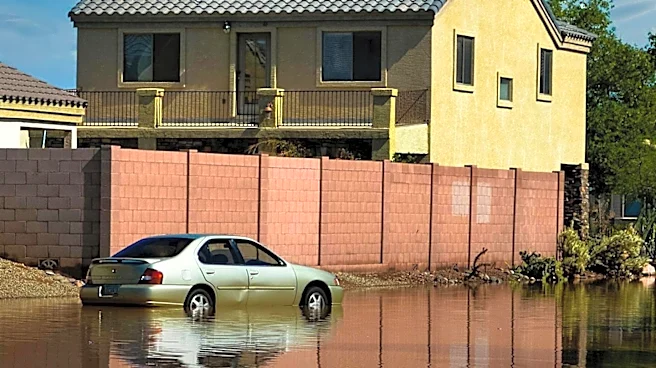
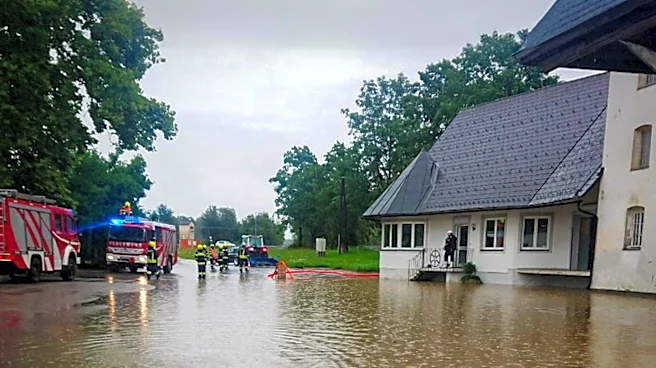
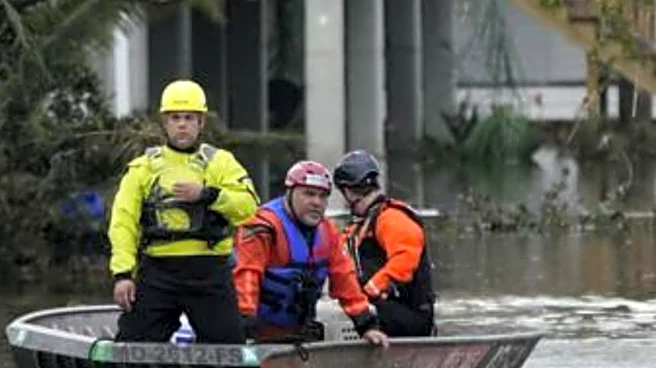
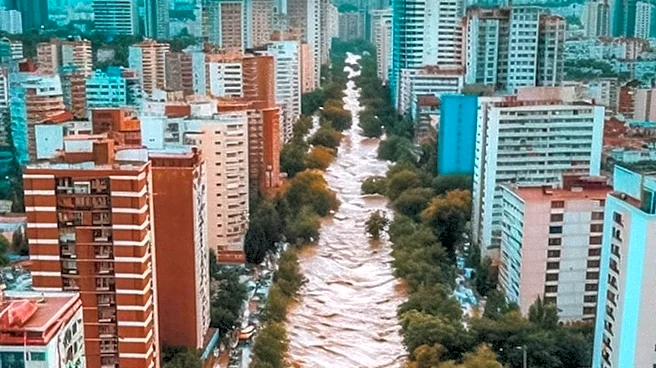
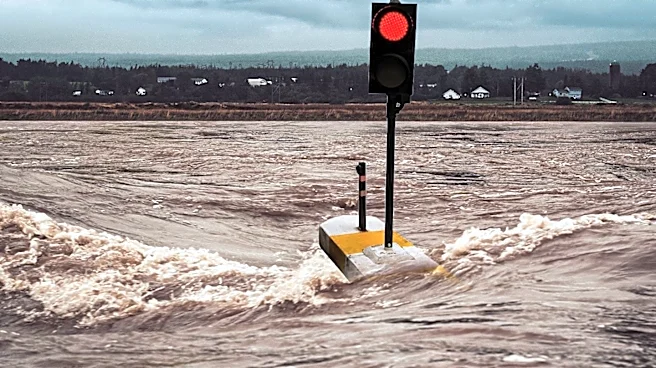
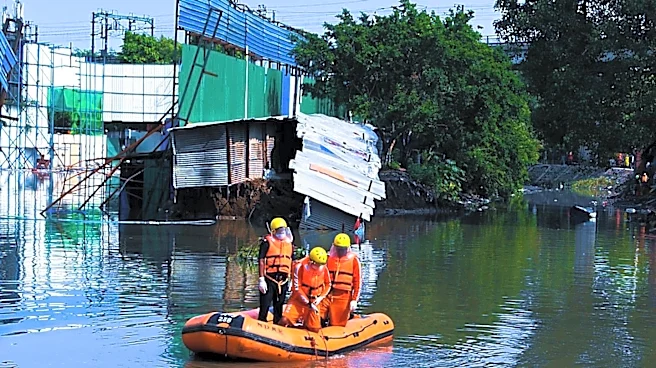
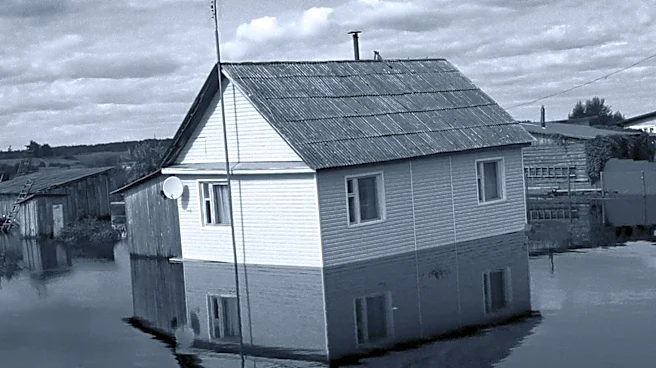
Severe flooding in Texas has resulted in the deaths of at least two people and necessitated the rescue of hundreds more. Heavy rains have caused rivers to swell, leading to widespread flooding in rural communities near the Mexico border. Emergency responders
have been working tirelessly to rescue individuals trapped by the rising waters. The flooding has also caused significant infrastructure damage, including the collapse of a bridge over the Nueces River. The situation remains critical as more rain is expected, exacerbating the already dire conditions.
Why It's Important?
The flooding in Texas highlights the increasing frequency and severity of extreme weather events, likely exacerbated by climate change. The disaster has significant implications for emergency management and infrastructure resilience in flood-prone areas. It underscores the need for improved flood forecasting and response strategies to protect lives and property. The economic impact of the flooding is substantial, affecting local communities and potentially leading to long-term recovery efforts. The situation also raises questions about the adequacy of current infrastructure to withstand such events.
What's Next?
As the rain continues, emergency services will remain on high alert, focusing on rescue operations and providing shelter to displaced residents. Authorities will likely conduct assessments to determine the full extent of the damage and begin planning for recovery and rebuilding efforts. The flooding may prompt discussions on infrastructure improvements and climate adaptation strategies to mitigate future risks. Community support and federal assistance will be crucial in the recovery process, as affected areas work to rebuild and prevent similar disasters in the future.