






What's Happening?
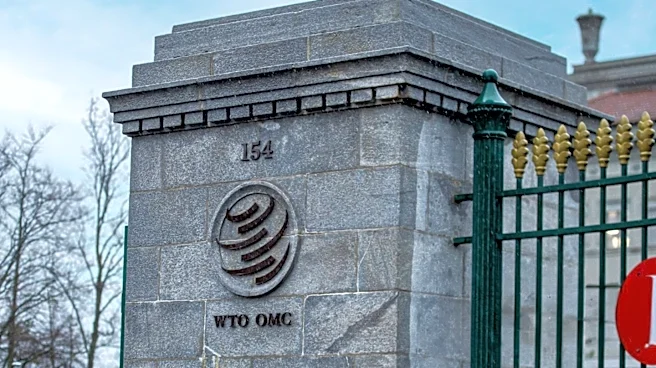
Somalia has made significant progress in its bid to join the World Trade Organization (WTO) after a week of UK-funded technical discussions held in Mogadishu from October 10 to 15. Officials from the WTO, the International Trade Centre (ITC), and the Somali government
focused on finalizing key documents required for the next stage of the accession process. This work is intended to support preparations for Somalia’s next WTO working party meeting, anticipated in 2027. Somalia initially applied for WTO membership in 2015 as part of a broader effort to rebuild its economic institutions and enhance its participation in international commerce. The discussions covered critical areas such as customs procedures, import regulations, food safety standards, intellectual property protections, and market access for goods and services, aiming to align Somalia’s trade policies with international standards.
Why It's Important?
WTO membership would integrate Somalia into the multilateral trading system, requiring it to adhere to agreed rules governing international trade. This move is crucial for Somalia's economic development, as it is expected to expand international trade, attract foreign investment, and foster economic growth. By aligning its regulatory framework with international standards, Somalia aims to create a more predictable and transparent environment for international businesses and investors. The country's livestock sector, which generated approximately $576 million in exports in 2025, stands to benefit significantly from improved market access and stronger regulatory standards. This accession process is a vital step in Somalia's post-conflict reconstruction, offering a pathway to greater economic stability and global integration.
What's Next?
The recent technical discussions represent a crucial step in preparing the necessary documentation and technical groundwork for Somalia's WTO accession. The next major milestone will be the anticipated WTO working party meeting in 2027. For Somalia, the challenge will be to translate this progress into practical economic reforms that enhance the competitiveness of Somali businesses, attract further investment, and expand the country's presence in international markets. Continued international support, particularly from the UK, will be essential in navigating the complex requirements of WTO membership. Somalia will need to focus on improving infrastructure, certification systems, food safety controls, and the capacity of institutions responsible for regulating exports to fully capitalize on the benefits of WTO accession.
Beyond the Headlines
Somalia's pursuit of WTO membership is more than just an economic endeavor; it is a testament to the country's commitment to rebuilding and re-establishing itself on the global stage after decades of conflict. This process signifies a move towards greater governance, transparency, and adherence to international norms, which can have profound implications for peace and stability within the country. The alignment of trade regulations with WTO standards can also help combat illicit trade and improve the overall business environment, fostering a more legitimate and sustainable economy. The long-term impact could include a reduction in poverty, increased employment opportunities, and a stronger foundation for democratic institutions, as economic stability often underpins political stability.