






What's Happening?
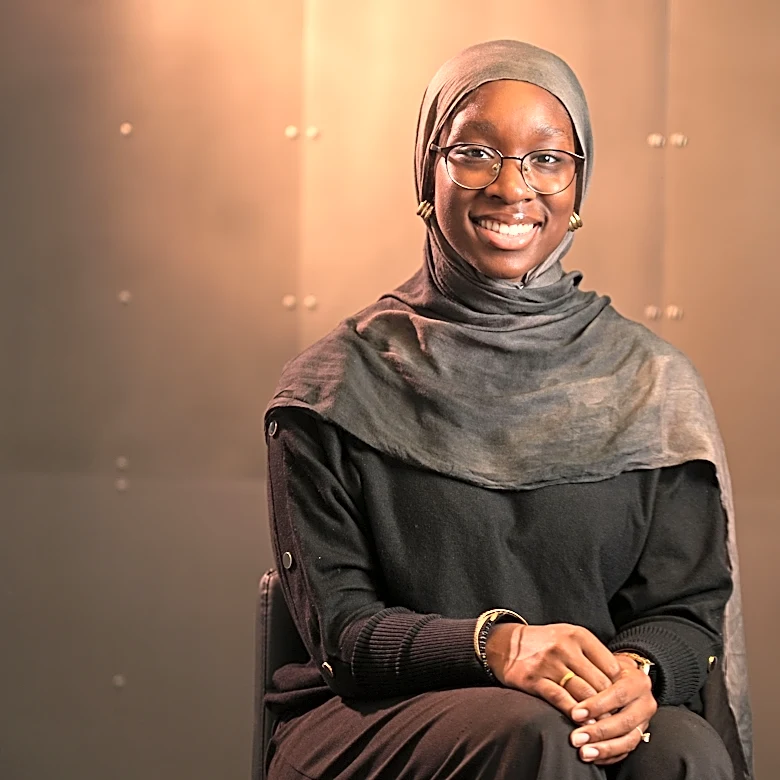
Caroline Martel, a 17-year-old from Manchester, New Hampshire, has made history by becoming the first female Eagle Scout in the state to earn all 143 available merit badges. Martel completed this achievement in late August, marking a significant milestone
in her scouting career. She is one of only 16 female Eagle Scouts nationwide to have earned every merit badge since girls were admitted into the program in 2019. Historically, fewer than 700 scouts have earned all merit badges in the organization's 116-year history. Martel, who is involved in scouting units in Manchester, Bedford, and Londonderry, initially considered joining Girl Scouts but found the Boy Scouts program, now Scouting America, to be a better fit due to its emphasis on outdoor activities and learning. Despite being diagnosed with hypotonia, a condition causing muscle weakness, Martel persevered through physically demanding challenges, including water sports badges and recovering from a torn knee muscle.
Why It's Important?
Caroline Martel's achievement is significant for several reasons. It highlights the evolving landscape of scouting organizations, particularly the successful integration of girls into programs traditionally associated with boys. Her accomplishment serves as an inspiring example of dedication, perseverance, and overcoming personal challenges, such as her hypotonia. As the first female in New Hampshire to earn all merit badges, Martel sets a new benchmark for youth in the state and demonstrates the capabilities of young women in leadership and skill development. Her involvement in community service projects, such as rehabilitating a pauper's cemetery, underscores the civic engagement aspect of scouting and its positive impact on local communities. This milestone also contributes to the broader narrative of gender inclusivity and equality within youth development programs, showcasing that opportunities for growth and achievement should be accessible to all, regardless of gender.
What's Next?
Caroline Martel will age out of the Eagle Scouts program when she turns 18, but she plans to continue her involvement in Scouting America. She will serve in leadership roles as an assistant scoutmaster for another three years, until she reaches the age of 21. This continued involvement will allow her to mentor younger scouts and contribute to the program's ongoing success. Martel also plans to pursue higher education, with an interest in studying clinical child and adolescent psychology. Her future endeavors will likely be influenced by the leadership skills, resilience, and commitment to service she developed through scouting. Her historic achievement may also inspire more girls in New Hampshire and beyond to join scouting and pursue similar levels of accomplishment, further diversifying the program's participant base and leadership.
Beyond the Headlines
Martel's journey transcends the mere accumulation of badges; it speaks to the profound impact of comprehensive youth development programs. Her initial preference for the Boy Scouts' emphasis on outdoor activities and skill-building over traditional arts and crafts highlights a broader discussion about diverse interests among young girls and the need for varied programmatic offerings. Her battle with hypotonia and subsequent triumph in physically demanding activities, particularly water sports, underscores the importance of adaptive strategies and personal determination in achieving goals. This story also subtly touches upon the evolution of gender roles within traditionally gendered organizations, demonstrating how inclusivity can enrich and strengthen such institutions. The recognition from Manchester Mayor Jay Ruais for her community project further emphasizes the tangible benefits of scouting beyond individual achievement, showcasing its role in fostering civic responsibility and community improvement.