





What's Happening?
Representative Eugene Vindman has introduced H.R. 10950, the Data Center Oversight Act, which mandates detailed public disclosure reports from large data center owners, operators, or developers. The bill, received on October 29, 2026, and currently without
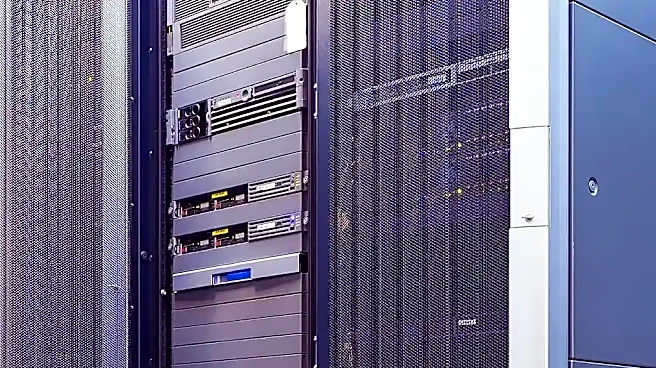
cosponsors, targets data centers with a facility load of 20 megawatts or more, including those used for artificial intelligence training, cloud computing, data hosting, and cryptocurrency mining. These disclosures would be required 30 days before construction, within 30 days of operation, and annually for 10 years. Existing facilities would have specific filing deadlines. The reports must include information on ownership, location, size, electric load, serving utilities, infrastructure costs, potential impacts on electric rates, on-site generation, water usage, proximity to protected areas, labor information, and any non-disclosure agreements with government officials. The Department of Energy, through the Energy Information Administration, would be tasked with creating a free, publicly searchable online database for these disclosures, updated quarterly with aggregate statistics. Failure to comply could result in civil penalties up to $1 million per day for continuing violations.
Why It's Important?
This legislation is significant for increasing transparency and accountability within the rapidly expanding data center industry, which has substantial energy and environmental footprints. By requiring detailed disclosures on energy consumption, water use, and financial impacts, the bill aims to provide the public and policymakers with crucial data to assess the broader societal and economic effects of these facilities. The mandate for reporting on electric infrastructure costs and potential rate shifts could reveal how the burden of supporting these energy-intensive operations is distributed among consumers. Furthermore, information on labor practices and non-disclosure agreements could shed light on ethical and governance aspects of data center development. Companies like Microsoft, Amazon, Google, Meta, Oracle, and IBM, which operate large data centers, could be directly affected by these new reporting requirements, potentially influencing their operational strategies and public relations. The bill's focus on transparency without granting the Department of Energy approval authority suggests an intent to inform rather than regulate construction directly, but the data collected could still shape future policy decisions.
What's Next?
The Data Center Oversight Act (H.R. 10950) will proceed through the legislative process, where it may undergo revisions, gain cosponsors, and be subject to committee hearings and votes. If enacted, the Secretary of Energy would be required to issue regulations within nine months to define filing forms and technical terms, though reporting would commence even without these regulations. Major data center operators and industry associations are likely to engage with lawmakers to influence the bill's final form and implementation details. The creation of a public database by the Department of Energy would follow, making previously private operational data accessible to the public, researchers, and advocacy groups. This increased transparency could lead to greater public scrutiny of data center development and operations, potentially spurring further legislative or regulatory actions related to energy efficiency, environmental impact, and community engagement. The bill's progress will be closely watched by technology companies, utility providers, and environmental organizations.
Beyond the Headlines
The Data Center Oversight Act touches upon deeper implications concerning the balance between technological advancement and public interest. The rapid growth of AI, cloud computing, and cryptocurrency mining has led to a proliferation of large data centers, raising concerns about their significant energy demands, water consumption, and localized environmental impacts. This bill represents a legislative effort to address these concerns by fostering transparency, potentially shifting the narrative from unchecked growth to more sustainable and accountable development. The requirement to disclose potential impacts on electric rates and customer bills highlights the ethical dimension of cost externalization, where the benefits of data centers may accrue to a few while costs are borne by a broader public. Furthermore, the inclusion of labor information and non-disclosure agreements points to a broader push for corporate social responsibility within the tech sector. This legislation could set a precedent for increased oversight in other high-impact industries, signaling a growing governmental interest in understanding and mitigating the societal and environmental consequences of technological infrastructure.