




What's Happening?
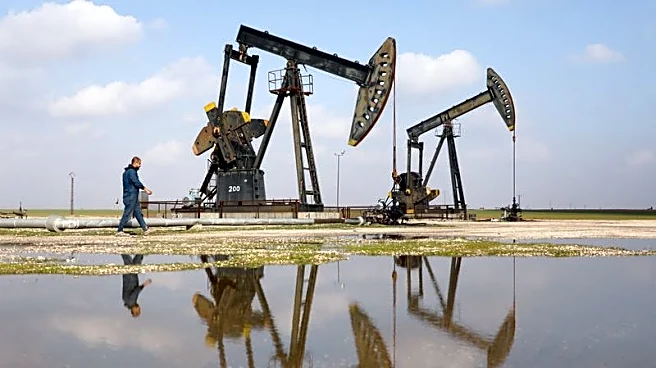
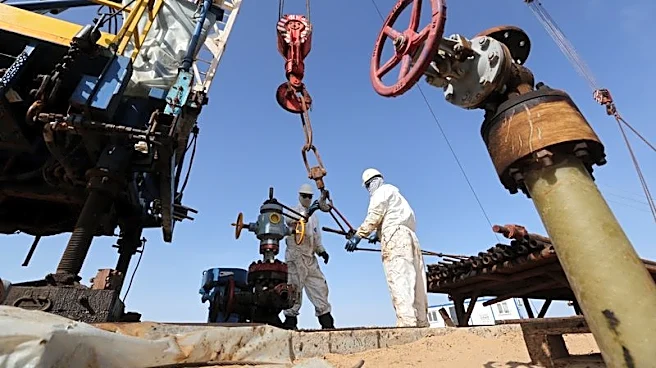
OPEC+, which includes the Organization of the Petroleum Exporting Countries, Russia, and other allies, is expected to halt oil output increases for three months starting in October. This decision follows a recent output hike in September. The move comes
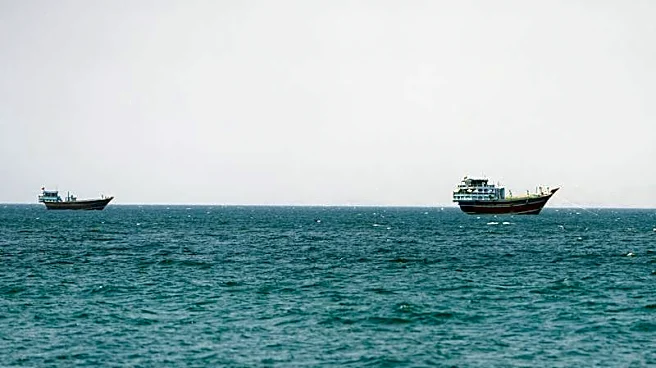
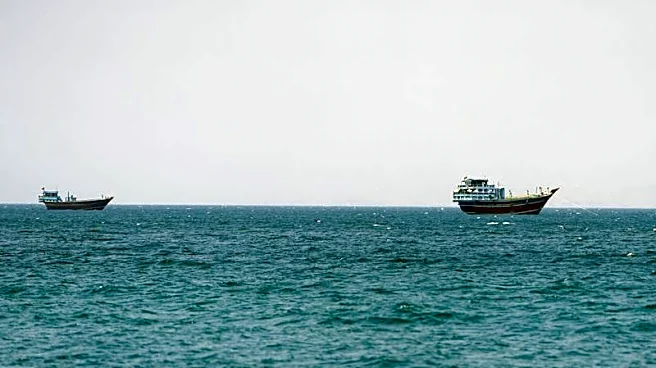
amid ongoing disruptions in oil supply due to geopolitical tensions, particularly in the Strait of Hormuz and the Red Sea, where Iran-backed Houthis have been involved in attacks. These disruptions have heightened supply risks and are expected to cause oil prices to rise further. A recent survey of economists and analysts predicts that Brent crude will average $85.22 per barrel in 2026, an increase from previous estimates. The International Energy Agency forecasts a decline in global oil demand by one million barrels per day this year, with a rebound expected in 2027.
Why It's Important?
The potential pause in oil output increases by OPEC+ is significant as it could exacerbate the current energy crisis, impacting global oil prices and economic stability. The disruptions in key oil transit routes like the Strait of Hormuz, which carries a significant portion of the world's crude oil, could lead to increased volatility in oil markets. This situation poses challenges for countries heavily reliant on oil imports, potentially leading to higher energy costs and inflationary pressures. The decision by OPEC+ reflects the complex interplay of geopolitical tensions and economic considerations, highlighting the vulnerability of global energy supplies to regional conflicts.
What's Next?
If OPEC+ proceeds with pausing output increases, it could lead to further tightening of global oil supplies, potentially driving prices higher. This scenario may prompt responses from major oil-consuming nations, including strategic releases from oil reserves or diplomatic efforts to stabilize the region. Additionally, the ongoing geopolitical tensions in the Middle East could influence future OPEC+ decisions, as member countries navigate the balance between maintaining market stability and addressing their economic needs. The situation will require close monitoring by policymakers and industry stakeholders to mitigate potential economic impacts.