






What's Happening?
Carolyn Jackson, a 64-year-old resident of Village Crest Apartments in Smyrna, Tennessee, is contemplating moving out of her apartment due to ongoing and severe pest problems, including mice and spiders. Jackson, who has lived in the apartment for only
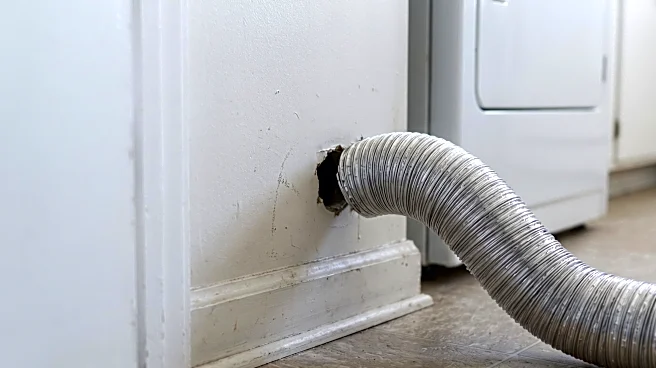
a few months, believes mice are entering her unit through openings, such as a hole near her dryer. She claims to have caught or killed ten mice in two days and has documented the issue with a doorbell camera and motion-sensor lights. Jackson also reports being bitten by spiders, which she believes infest her bed. Despite her complaints to apartment staff, and pest control visits, the issues persist. A leasing agent from Village Crest Apartments confirmed that pest control has been sent to Jackson's apartment multiple times, but also stated that Jackson has sometimes declined full treatment due to health concerns. Jackson, who receives Supplemental Security Income, faces challenges in finding affordable alternative housing, as many senior housing options have waiting lists.
Why It's Important?
This situation highlights critical issues faced by tenants, particularly vulnerable populations like seniors on fixed incomes, regarding housing quality and landlord responsibilities. Persistent pest infestations can significantly impact residents' health, safety, and overall quality of life, potentially exacerbating existing health conditions like Jackson's PTSD and COPD. The difficulty Jackson faces in finding affordable alternative housing underscores a broader systemic problem of limited accessible and affordable housing options for seniors and low-income individuals. This case brings attention to the need for robust tenant protection laws and effective enforcement mechanisms to ensure landlords maintain habitable living conditions. It also raises questions about the communication and resolution processes between tenants and property management, especially when health concerns or other barriers complicate pest control efforts. The story emphasizes the vulnerability of individuals who may feel trapped in substandard living situations due to financial constraints and lack of viable alternatives.
What's Next?
Carolyn Jackson is hopeful that the pest problems in her apartment can be resolved, or that an affordable housing option will become available. Village Crest Apartments' community manager, Kimberly Sharp, stated that they are continuing to work with their pest control provider to monitor the situation and will coordinate an inspection to identify and address any potential entry points for pests. The apartment management also indicated a willingness to discuss early lease termination with Jackson, despite initially stating it was not presented as a resolution. For Jackson, the immediate next steps involve continued engagement with apartment management and pest control to address the infestation, while also exploring potential affordable housing alternatives. This situation may also prompt greater scrutiny from local housing authorities or tenant advocacy groups regarding living conditions in similar apartment complexes, potentially leading to broader investigations or policy discussions on tenant rights and affordable housing availability in Smyrna.
Beyond the Headlines
This individual case in Smyrna reflects a deeper societal challenge concerning housing equity and the rights of tenants, particularly those with limited resources. The struggle to find affordable and safe housing is a widespread issue across the U.S., often disproportionately affecting seniors, individuals with disabilities, and those on fixed incomes. The incident also brings to light the complexities of pest management in multi-unit dwellings, where individual tenant actions or health concerns can impact the effectiveness of treatments for the entire building. Ethically, the situation raises questions about the responsibility of property owners to provide a safe and healthy environment, and the support systems available to tenants who face such challenges. The story serves as a poignant reminder of the human cost when housing standards fall short and the systemic barriers that can prevent vulnerable individuals from securing adequate living conditions, prompting a broader conversation about housing policy and social welfare.