

What's Happening?
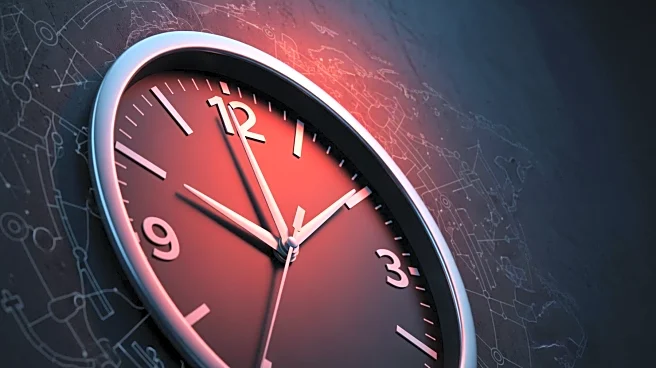
The Bulletin of the Atomic Scientists has adjusted the Doomsday Clock to 85 seconds to midnight, marking the closest it has ever been to the symbolic point of global catastrophe. This decision reflects growing concerns over nuclear weapons, climate change,
artificial intelligence, and other existential threats. The clock, originally focused on nuclear threats, now also considers the impact of climate change and technological advancements. The Bulletin highlighted the lack of progress in reducing greenhouse gas emissions and the potential misuse of artificial intelligence as significant factors in their decision. The clock serves as a warning to policymakers about the urgent need for action to mitigate these risks.
Why It's Important?
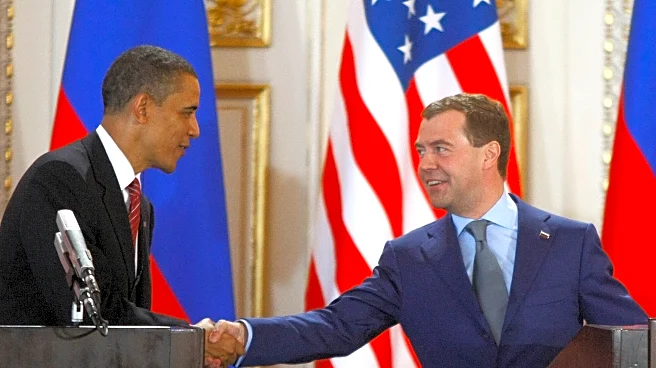
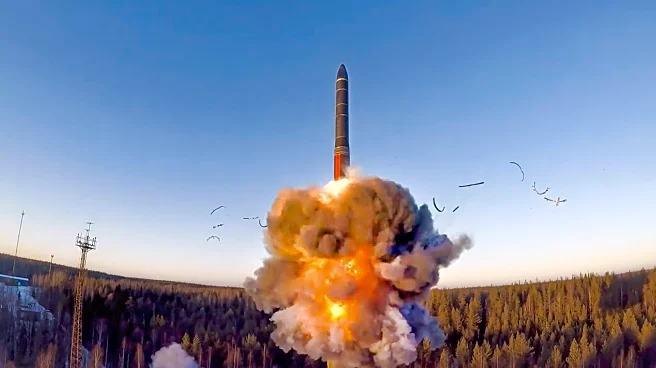
The adjustment of the Doomsday Clock underscores the increasing urgency for global leaders to address multiple existential threats. The inclusion of climate change and artificial intelligence in the clock's considerations highlights the interconnected nature of modern global risks. The decision serves as a call to action for policymakers to prioritize environmental sustainability and responsible technological development. The potential expiration of a nuclear arms treaty between the U.S. and Russia further exacerbates the risk of nuclear conflict, emphasizing the need for diplomatic efforts to prevent escalation. The clock's adjustment is a stark reminder of the pressing need for international cooperation to address these complex challenges.
What's Next?
The Bulletin's decision is likely to prompt discussions among global leaders and policymakers about strategies to address the highlighted threats. Efforts to renew or replace the expiring nuclear arms treaty between the U.S. and Russia may gain urgency. Additionally, the call for action on climate change could lead to renewed commitments to international agreements like the Paris Accord. The role of artificial intelligence in society may also come under increased scrutiny, with potential regulatory measures being considered to prevent misuse. The clock's adjustment may serve as a catalyst for broader public awareness and advocacy for policies that address these critical issues.