






What's Happening?
Karoline Leavitt, the White House press secretary, has commenced her maternity leave as she prepares for the birth of her second child with husband Nicholas Riccio. Leavitt, who married Riccio in January 2025, shared her excitement about expanding her family
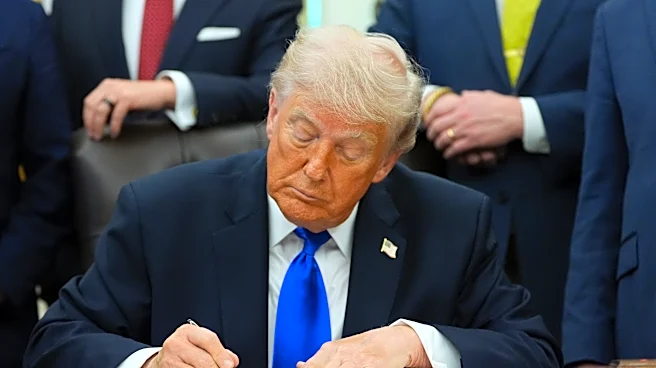
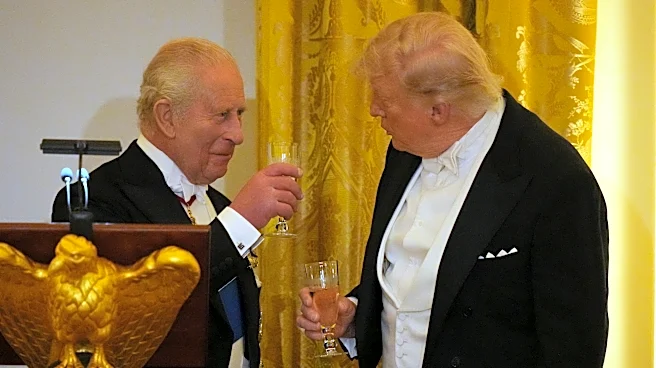
on social media. Despite officially starting her leave on April 24, she returned to the White House on April 27 to address the media following a security incident at the White House Correspondents' Dinner. The event was disrupted by a shooter targeting President Trump and other officials. Leavitt expressed gratitude for law enforcement's swift response and emphasized the need to end political violence. During her leave, the White House will not appoint an interim press secretary, opting instead for a rotating group of administration officials to handle press duties.
Why It's Important?
Leavitt's maternity leave comes at a critical time for the White House, following an attempted attack on President Trump and top officials. Her temporary absence highlights the challenges of balancing high-profile government roles with personal life, especially for women in leadership positions. The decision not to appoint an interim press secretary suggests confidence in the administration's ability to manage communications through a team approach. This incident underscores ongoing security concerns and the political climate's volatility, impacting public trust and the administration's focus on safety and stability.
What's Next?
As Leavitt embarks on her maternity leave, the White House will rely on a rotating cast of officials, including potentially President Trump and Vice President JD Vance, to manage press briefings. The administration will need to address security protocols and public concerns following the recent attack. Leavitt's return timeline remains uncertain, but her previous quick return to work after her first child's birth suggests she may resume duties sooner than expected. The administration's handling of this transition will be closely watched as it navigates both internal and external challenges.