

What's Happening?
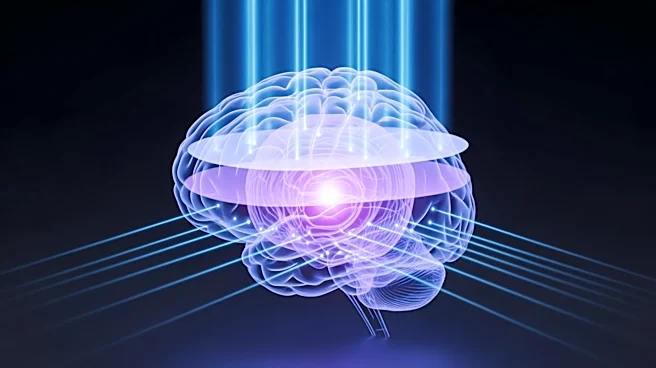
Neuroscientists at the University of Iowa Health Care have successfully demonstrated that noninvasive transcranial magnetic stimulation (TMS) can alter the activity of the hippocampus, a deep brain region involved in emotion and memory. This study, published
in Nature Communications, highlights the potential of TMS to engage and modulate hippocampal activity without the need for surgery or medication. The research involved eight neurosurgical patients with electrodes implanted in their hippocampus, allowing for precise measurement of brain activity changes. By personalizing the stimulation site based on each patient's unique brain connectivity, the researchers were able to significantly enhance the neuromodulation effect. This approach could pave the way for safer, noninvasive treatments for conditions like Alzheimer's disease, depression, and PTSD.
Why It's Important?
The findings from this study could revolutionize the treatment of neurological and neuropsychiatric conditions by providing a noninvasive method to target deep brain regions. The ability to personalize brain stimulation based on individual brain connectivity could lead to more effective and reliable treatments, reducing the need for invasive procedures or medications with potential side effects. This advancement holds promise for improving the quality of life for patients suffering from conditions linked to hippocampal dysfunction, such as Alzheimer's disease and PTSD. Furthermore, it could enhance our understanding of brain function and the development of new therapeutic strategies.