


What's Happening?
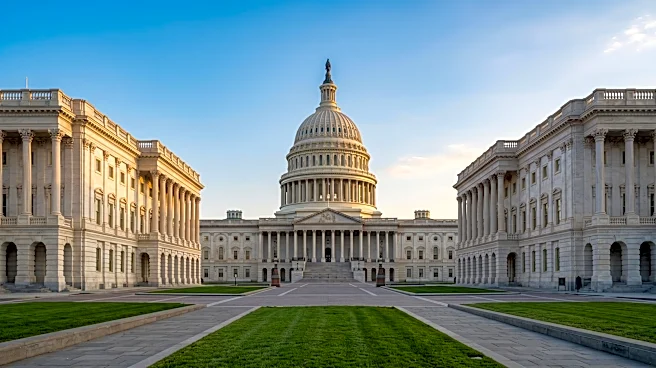
A broad coalition of national organizations, including the Climate Justice Alliance, GreenLatinos, Indigenous Environmental Network, WE ACT for Environmental Justice, and Western Environmental Law Center, is opposing a proposed deregulatory permitting
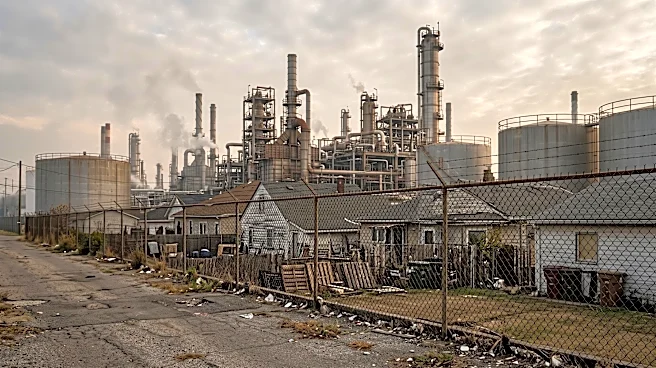
reform bill titled the 'Bipartisan American Affordability and Jobs Act.' The coalition argues that this legislation, currently being negotiated in Congress, would enable the unchecked development of dangerous projects, harming health and the environment, increasing energy costs, and violating community rights. They contend that the bill disproportionately impacts communities of color and lower-income neighborhoods, which already bear the brunt of pollution and climate change due to historical redlining practices. The coalition asserts that the bill, despite claims of advancing clean energy, would lock in more fossil fuel projects and continue to designate vulnerable communities as 'sacrifice zones.' They criticize the negotiation process as being conducted 'in the dark,' disregarding years of community demands for policies that protect health, rights, and the environment.
Why It's Important?
This opposition highlights a significant conflict in U.S. energy policy, pitting environmental justice advocates against a bipartisan legislative effort. The coalition's concerns underscore the potential for the proposed permitting reform to exacerbate existing environmental inequalities, particularly for Indigenous Peoples, Black, Latinx, Asian Pacific Islander, and working-class white communities. If passed, the legislation could weaken bedrock environmental laws such as the National Environmental Policy Act (NEPA) and the Endangered Species Act, further limiting communities' ability to protect themselves from harmful projects. The debate also brings to light the tension between accelerating clean energy deployment and ensuring robust environmental and public health protections, with critics arguing that the bill prioritizes corporate interests over community well-being and democratic participation. The outcome of this legislative push will significantly impact the future of environmental regulation and the distribution of environmental burdens in the U.S.
What's Next?
The coalition plans to continue its opposition to the deregulatory permitting proposal, advocating for solutions that deliver clean, affordable energy while safeguarding health, democratic rights, and the environment. They emphasize that they will make their voices heard at the ballot box. The proposed 'Bipartisan American Affordability and Jobs Act of 2026' is currently under negotiation in Congress, indicating that its passage is not yet certain. Stakeholders, including political leaders, businesses, and civil society groups, will likely continue to engage in debate and lobbying efforts regarding the bill's provisions. The coalition has also put forth alternative recommendations, including investing in federal agency capacity for clean energy development and community engagement, embedding early community engagement in permitting processes, establishing robust environmental and public health analyses, and increasing transparency in permitting status and project details. The legislative process will determine whether these concerns are addressed or if the bill proceeds in its current form.
Beyond the Headlines
The controversy surrounding this permitting reform bill reveals deeper ethical and cultural dimensions within U.S. energy policy. The coalition's use of terms like 'sacrifice zones' and their emphasis on historical injustices like redlining highlight the ongoing struggle for environmental justice and the recognition of disproportionate impacts on marginalized communities. The debate also touches upon the balance between economic development, particularly the rapid expansion of data centers and artificial intelligence, and environmental protection. Critics argue that the bill's potential benefits for renewable energy are overshadowed by its concessions to the fossil fuel industry, raising questions about the true beneficiaries of such legislation. Furthermore, the weakening of Tribal consultation processes and environmental laws could have long-term consequences for Indigenous sovereignty and the protection of cultural heritage. This legislative push could trigger a significant shift in how environmental regulations are perceived and implemented, potentially setting precedents for future development projects across the nation.